Services — 05
App Development Company in the UAE
VDESIGNU is an app development company that works from Dubai, building web apps, SaaS products, customer portals and React Native mobile apps for businesses in the UAE, the Gulf and the United States. We also build and maintain our own software, a desktop app and a Chrome extension, so we know what it takes to keep a product running after launch.
Start a projectWhat you get
Web apps and SaaS products
Multi-user software that runs in the browser: accounts, roles, billing and the core workflow your customers pay for, built so a second and third feature don't need a rewrite.
Customer and vendor portals
Self-service areas where customers track orders, download documents or book, and where suppliers upload invoices and see payment status, in Arabic and English.
Internal tools and dashboards
The software that replaces the shared spreadsheet: approvals, stock, scheduling and reporting screens built around how your team already works.
Mobile apps in React Native
One codebase for iOS and Android with native screens, published under your own App Store and Google Play accounts.
Payments and integrations
Card payments through providers such as Stripe, buy-now-pay-later with Tabby or Tamara, CRMs, WhatsApp messaging and the APIs your business already depends on.
Browser extensions and desktop apps
Chrome extensions and Electron desktop apps for jobs a website can't do, the same kind of software we've built and released for ourselves.
The detail
Do you need a mobile app, a web app, or a better website?
Most businesses that ask us for an app need a web app first: software that runs in the browser, works on any phone and reaches every user the moment you ship an update. A mobile app in the stores earns its place when people will open it often, or when it needs the phone’s hardware.
Build for the web first when:
- your users are staff, suppliers or business customers who spend part of the day at a desk
- you’re still testing whether people will pay for the product
- the main job is forms, records, dashboards and approvals
- updates need to reach everyone today, without waiting on store review
Go to the app stores when customers will keep the app on their home screen, or when it depends on push notifications, the camera, Bluetooth or offline sync.
One more test. Apple’s App Store Review Guidelines expect an app to offer more than a repackaged website (guideline 4.2, minimum functionality). “Put our site in an app” rarely survives that review, and it shouldn’t.
React Native for mobile, and where we’d stop
We build mobile apps in React Native. You get one codebase that renders native screens on iOS and Android, so a fix ships to both platforms at once and your team maintains one product instead of two. It suits most business apps: bookings, ordering, loyalty, field service, customer accounts.
When we’ve already built your web app, the mobile app talks to the same API and reuses much of the same logic, so the second platform is a smaller job than the first.
Where we’d stop: apps built around heavy 3D, augmented reality or low-level hardware. Those need fully native engineers, and we’ll tell you in discovery rather than in month three.
Software we’ve shipped, including our own
The clearest proof that a studio can build software is software you can try. We designed, built and run three products of our own (EmailTimer, GBPHive and ListGCC), built a catalog platform for Triune, and Danish, who leads our work, built two tools anyone can download today: a desktop app and a Chrome extension.
EmailTimer and GBPHive: SaaS we run ourselves
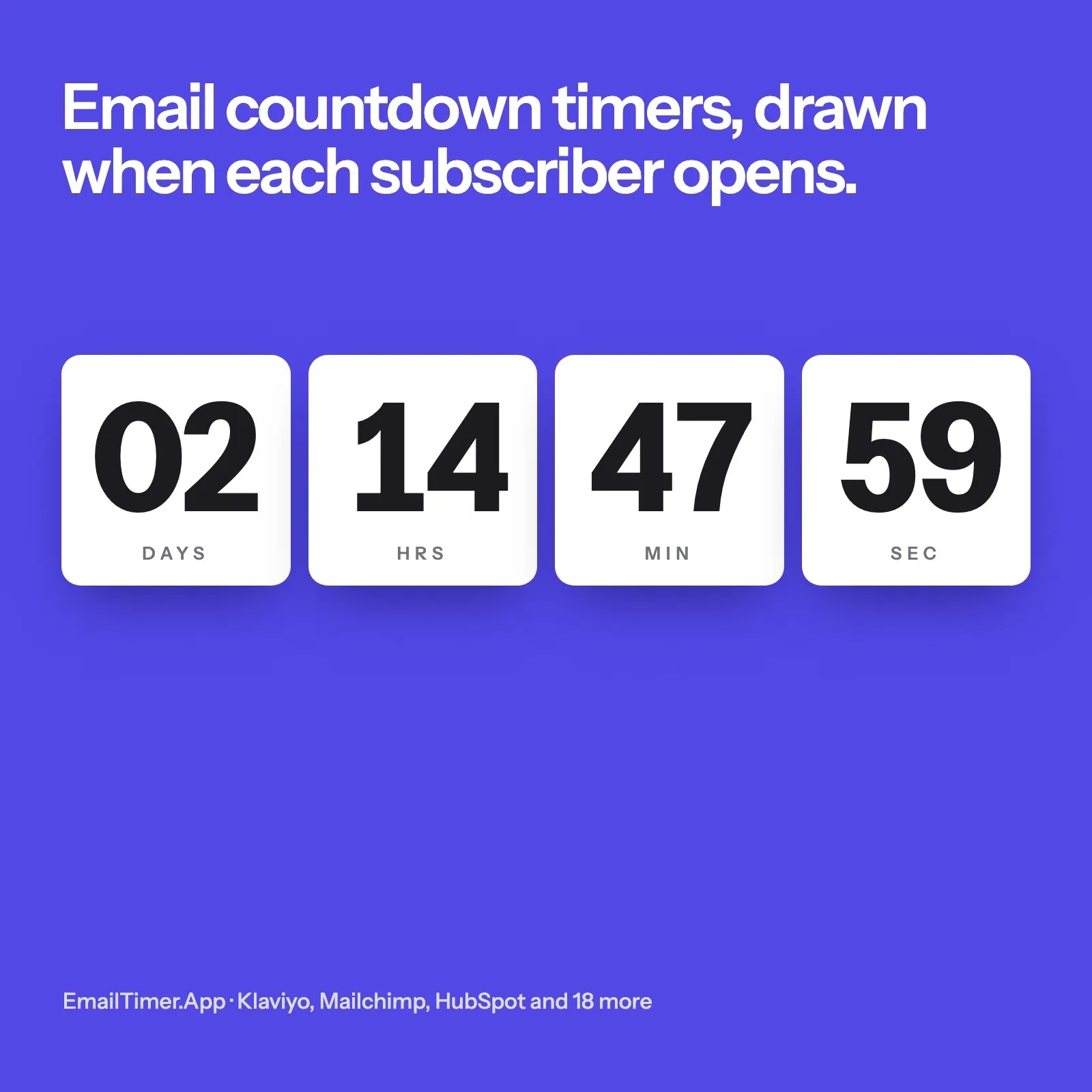
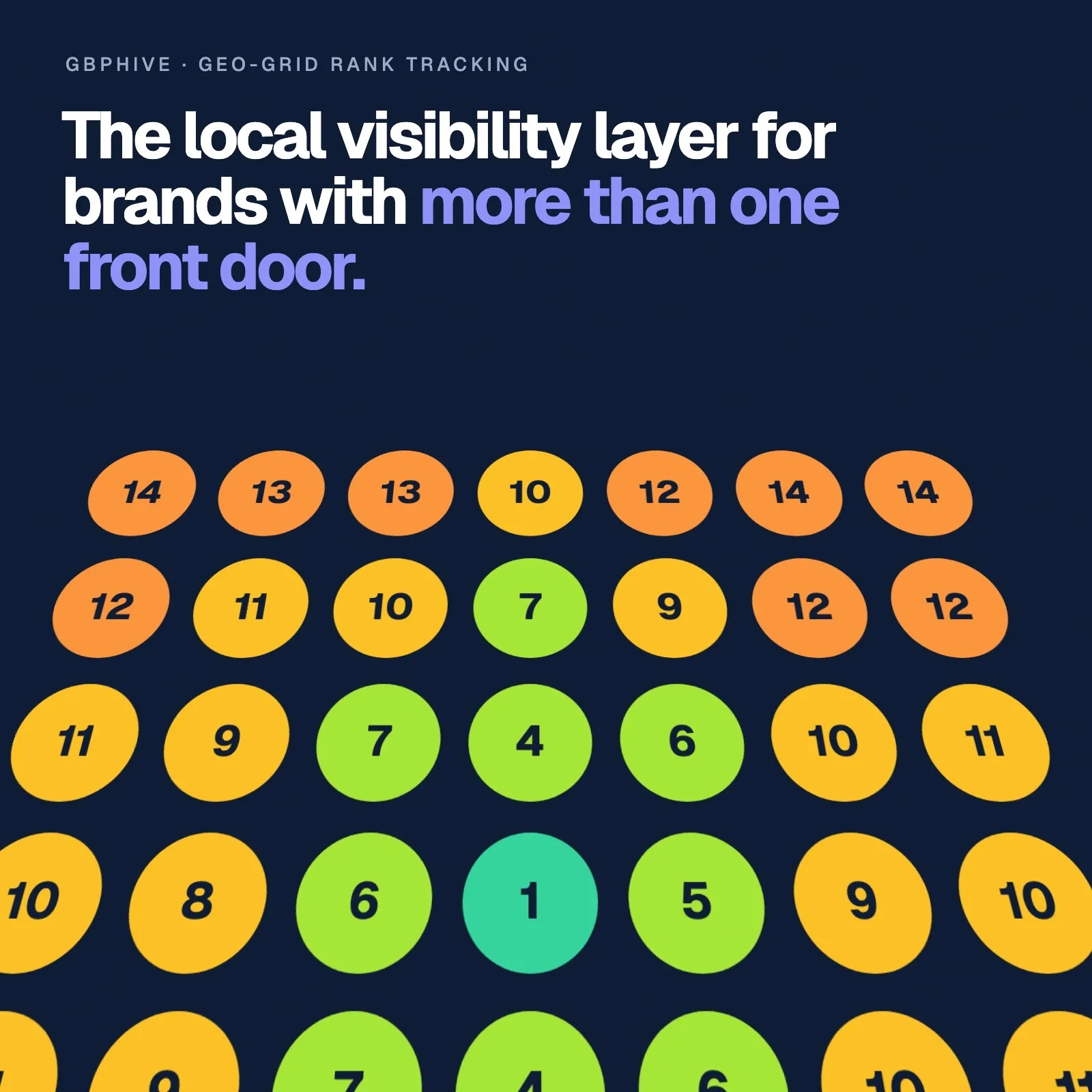
EmailTimer draws email countdown timers and personalised images at the moment each subscriber opens a message, and plugs into Klaviyo, Mailchimp, HubSpot and 18 more email platforms. GBPHive is a local SEO platform for multi-location brands and agencies: daily geo-grid rank tracking, Google Business Profile management, one review inbox with AI reply drafts, and GBP, Search Console and GA4 data on one screen.
We did the product design and development for both, and we run their marketing and SEO. That last part matters: when a product decision is wrong, we’re the ones who find out.
ListGCC: a B2B lead-generation platform
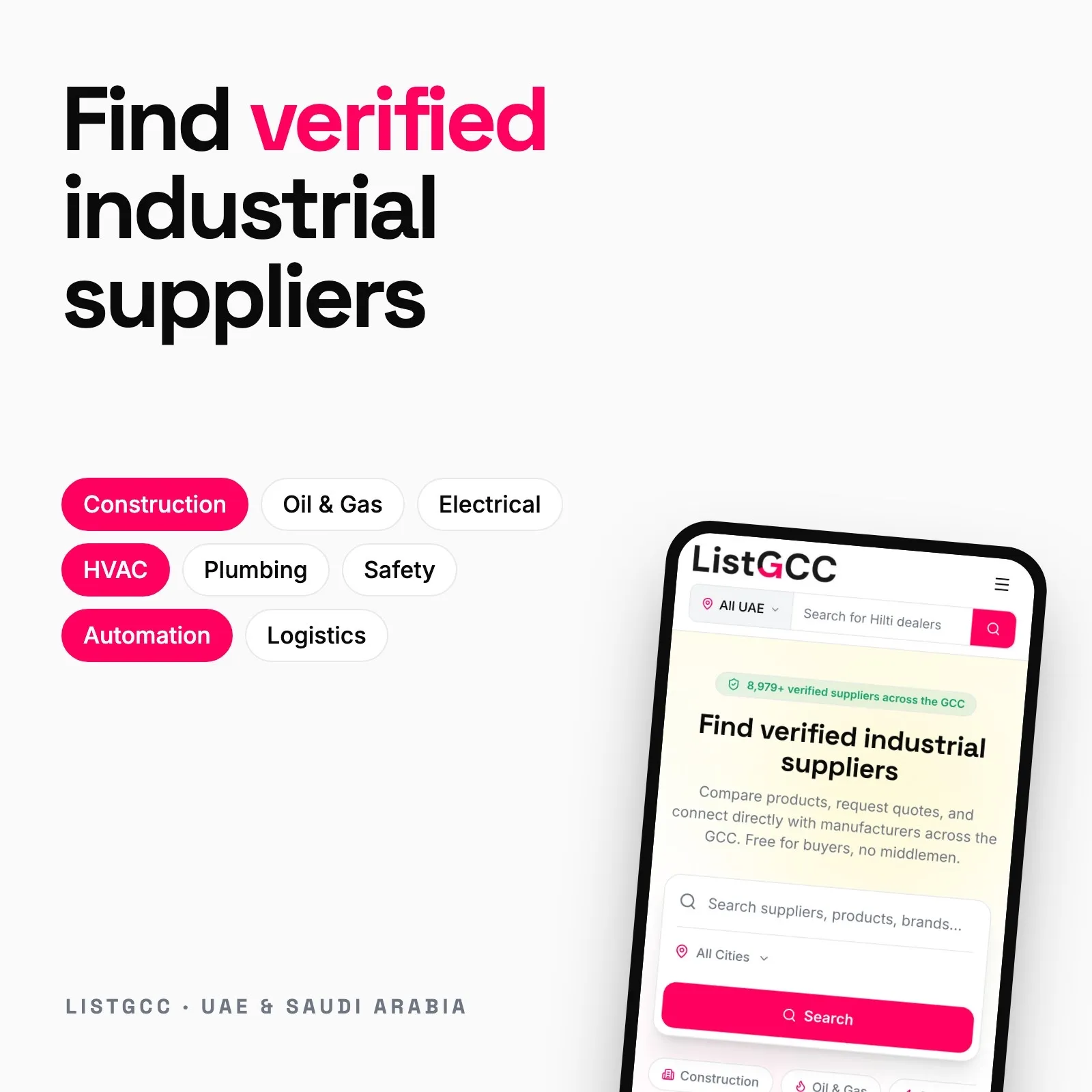
ListGCC is our directory of industrial suppliers, manufacturers and distributors across the UAE and Saudi Arabia. Buyers compare suppliers and request quotes directly, which makes it a working example of the marketplace and portal patterns many Gulf B2B projects need.
Triune: a B2B catalog platform
Triune supplies lubricants, rig tools, safety gear and spare parts to drilling operations from Dubai. We built its website and the catalog behind it, organised by category and brand with quote requests for procurement teams who already know what they need. See the Triune catalog project.
Our own tools
GBP Rank Tracker is a free, open-source desktop app for Windows and macOS, built with Electron, Next.js and React. It drives a headless Chromium browser through Playwright to scan Google Maps rankings across a grid, keeps results in a local SQLite database and updates itself through GitHub Releases.
The Search Location Changer extension for Chrome shows Google results as if you were searching from another country or city.
Nobody commissioned either one. Both still had to be packaged, released, supported and kept working as Google changes, which is the part of software most first-time founders underestimate.
How we scope a first version
A first version should do one job well enough that people choose it over their spreadsheet, WhatsApp group or paper form. We find that job in discovery, design the screens around it, and write down everything else as a later phase with a reason attached.
Cutting is the hard part. A vendor portal brief might arrive with reporting, in-app chat, a mobile app, five levels of approval and an AI assistant. Version one might be vendor onboarding, document upload and invoice status, in Arabic and English, on the web. That ships sooner, gets used, and tells you which of the other ideas people actually want.
Payments, CRMs and WhatsApp: where Gulf projects get hard
Integrations decide most timelines. A typical app for UAE or Saudi customers needs card payments, buy-now-pay-later through Tabby or Tamara, a CRM such as HubSpot or Zoho, WhatsApp for notifications, and Arabic everywhere, including right-to-left screens and, for many Saudi users, Hijri dates next to Gregorian ones.
Each provider has its own sandbox, merchant approval and edge cases. A refund on a split payment doesn’t behave like a card refund, and a WhatsApp template message needs approval before you can send it. We keep each integration behind its own layer so replacing a provider later doesn’t mean rewriting the app.
When the app feeds leads or support tickets into sales, our CRM implementation and WhatsApp automation work covers the other end of the pipe.
Your data, your code, your accounts
Apps that process personal data of people in the UAE fall under the federal Personal Data Protection Law, Federal Decree-Law No. 45 of 2021. DIFC and ADGM run their own data protection regimes, and Saudi Arabia’s PDPL is overseen by SDAIA.
We’re developers, not your lawyers, but we build with those rules in mind: collect only what the workflow needs, host in a region you choose, log who accessed what, and make deletion possible. The code sits in your repository, the hosting is billed to you, and the store listings belong to your developer accounts.
Working with us from the UAE, Saudi Arabia or the US
We work from Dubai and build remotely for clients elsewhere, with a shared test environment you can open any day. There’s more on local buyers and sectors on our pages for app development in Dubai, app development for Riyadh companies and app development in Chicago for US companies. If you also need a marketing site to sell the product, that’s our website design and development service.
Selected work



How we work
- 01
Discovery
Short working sessions to pin down users, the one workflow that matters most, the data involved and what can wait. You get a written scope at the end.
- 02
Clickable prototype
The key screens designed and linked so you can put them in front of real users before production code exists.
- 03
Build in short cycles
Working software on a test environment every two weeks, reviewed with you, so changes happen while they're still cheap.
- 04
Beta with real users
A small group uses the app on real work. We fix what they trip over and measure whether the core workflow gets done.
- 05
Launch and support
Store submissions or go-live, monitoring, and an agreed support arrangement for fixes, updates and the next features.
Questions
How much does it cost to build an app in the UAE?
Cost depends on the number of user roles, the integrations (payments, CRM, WhatsApp, legacy systems), whether you need iOS and Android as well as web, Arabic support, and how much data must move from an old system. We quote after a short discovery phase, once the first version is defined.
How long does it take to build an app?
A focused first version usually takes a few months from discovery to launch. Integrations, approvals and the number of roles stretch that more than screen count does. Discovery gives you a realistic timeline before you commit to the build.
Should we build a mobile app or a web app?
Build a web app first if your users are staff, suppliers or business customers, or if you're still proving the idea. Go mobile when customers will open the app several times a week or it needs the camera, background location, push notifications or offline use.
Do you build native iOS and Android apps?
We build mobile apps in React Native, which produces real native screens for both platforms from one codebase. If your app depends on heavy 3D, augmented reality or deep hardware work, we'll say during discovery that it needs fully native development.
Can you build a SaaS product from scratch?
Yes, and we've done it for ourselves. EmailTimer and GBPHive are our own SaaS products: we handled product design and development, and we run their marketing and SEO. A SaaS build adds accounts, roles, subscriptions and onboarding on top of the core workflow, and we plan for those from the start.
Will we own the source code?
Yes. The repository, cloud hosting and app store listings are set up under your accounts. If you take development in-house or to another team later, everything is already yours.
Can our app accept Tabby or Tamara payments?
Yes. Both offer integrations for web and mobile checkouts, and we build them alongside card payments. Each provider has its own merchant approval and testing process, so we start that paperwork early to keep it off the critical path.
Can you take over an app another agency started?
Often, yes. We start with a code and infrastructure review, then tell you honestly whether to continue, refactor parts of it, or rebuild. Sometimes a partial rebuild is cheaper than living with the old code.
App Development by city
UAE App Development in Dubai App Development in Abu Dhabi App Development in Sharjah App Development in Ajman App Development in Ras Al Khaimah App Development in Fujairah App Development in Umm Al Quwain
Saudi Arabia App Development in Riyadh App Development in Jeddah App Development in Dammam App Development in Al Khobar App Development in Medina App Development in Mecca
Qatar App Development in Doha
Kuwait App Development in Kuwait City
Oman App Development in Muscat
Bahrain App Development in Manama
United States App Development in Chicago
Australia App Development in Melbourne