Mobile App Development Company in Doha, Qatar
We build mobile apps, web apps and customer portals for Qatar businesses, in Arabic and English from the first screen. Our apps handle Qatar's payment methods and personal data rules properly, and they're built in React Native so one codebase serves iOS and Android. We work from Dubai with Doha clients remotely.
Talk to us about DohaWhat's included
Discovery and a scoped first release
Workshops that cut your idea down to the first version worth building, with the features Qatar users will expect on day one.
Bilingual UX from the start
Arabic and English designed together, with mirrored layouts, Arabic notifications and onboarding, and a language switch that remembers the user's choice.
iOS and Android in React Native
One codebase for both stores, so features and fixes reach every user at the same time.
Payments and wallets
Payment flows through gateways licensed in Qatar that accept NAPS debit cards and Himyan as well as international cards.
Data handled for Qatar's rules
Consent, access and deletion built around Law No. 13 of 2016, with hosting decisions made before the first user signs up.
Portals, dashboards and internal tools
Web apps for staff and partners, from booking and dispatch systems to supplier portals and reporting dashboards.
App Development in Doha
Who builds apps in Qatar, and why?
Mostly companies whose customers or staff already live on their phones. A logistics firm near Hamad Port that dispatches drivers. A clinic group that wants patients to book and pay in one place. A contractor tracking site inspections across Lusail. A startup at Qatar Science & Technology Park testing an idea before raising money.
What they share is a user base with high expectations. Qatar residents use government apps like Metrash2 for everyday services, so a clunky private-sector app stands out for the wrong reasons.
Arabic and English from the first wireframe
Adding Arabic after launch is one of the most expensive mistakes we see in GCC apps. Screens built for left-to-right text break when mirrored, buttons overflow, and push notifications go out in English only.
We design both languages at the wireframe stage. Navigation mirrors properly, icons that imply direction flip, Arabic gets a typeface chosen for small screens, and every notification, email and error message exists in both languages. Users choose once and the app remembers.
Personal data, sensitive data and where it lives
Qatar’s Personal Data Privacy Protection Law, Law No. 13 of 2016, applies to most apps that collect personal data. It makes consent the main basis for processing, gives users rights to access and correct their data, and adds extra protections for sensitive categories such as health information and children’s data. The National Cyber Security Agency oversees it. QFC-licensed companies follow the QFC’s own Data Protection Regulations instead.
In practice, that means:
- clear consent screens that say what you collect and why
- a way for users to see, correct and delete their data
- tighter controls, logging and access limits on anything health-related
- a hosting decision made early, since some clients will ask for data to stay in Qatar
Payments inside the app
Qatar’s payment habits differ from Dubai’s. Many residents pay with NAPS debit cards issued by local banks, and Qatar Central Bank’s Himyan card works for online purchases in the country too. QCB’s Fawran service lets people send money instantly by mobile number, which some businesses use for invoices and deposits.
So we don’t assume one global gateway will do. We check which gateways licensed in Qatar support the cards your users carry, then design the payment flow around them, including what happens when a payment fails halfway through.
How we’d build a first release
Take a home services company in Doha that wants customers to book cleaners, pay and rate the visit. We’d run a discovery workshop on video, map the booking flow in Arabic and English, and agree what the first release leaves out. Then a clickable prototype, two-week build cycles with a test build on your phone after each, and a staff dashboard alongside the app.
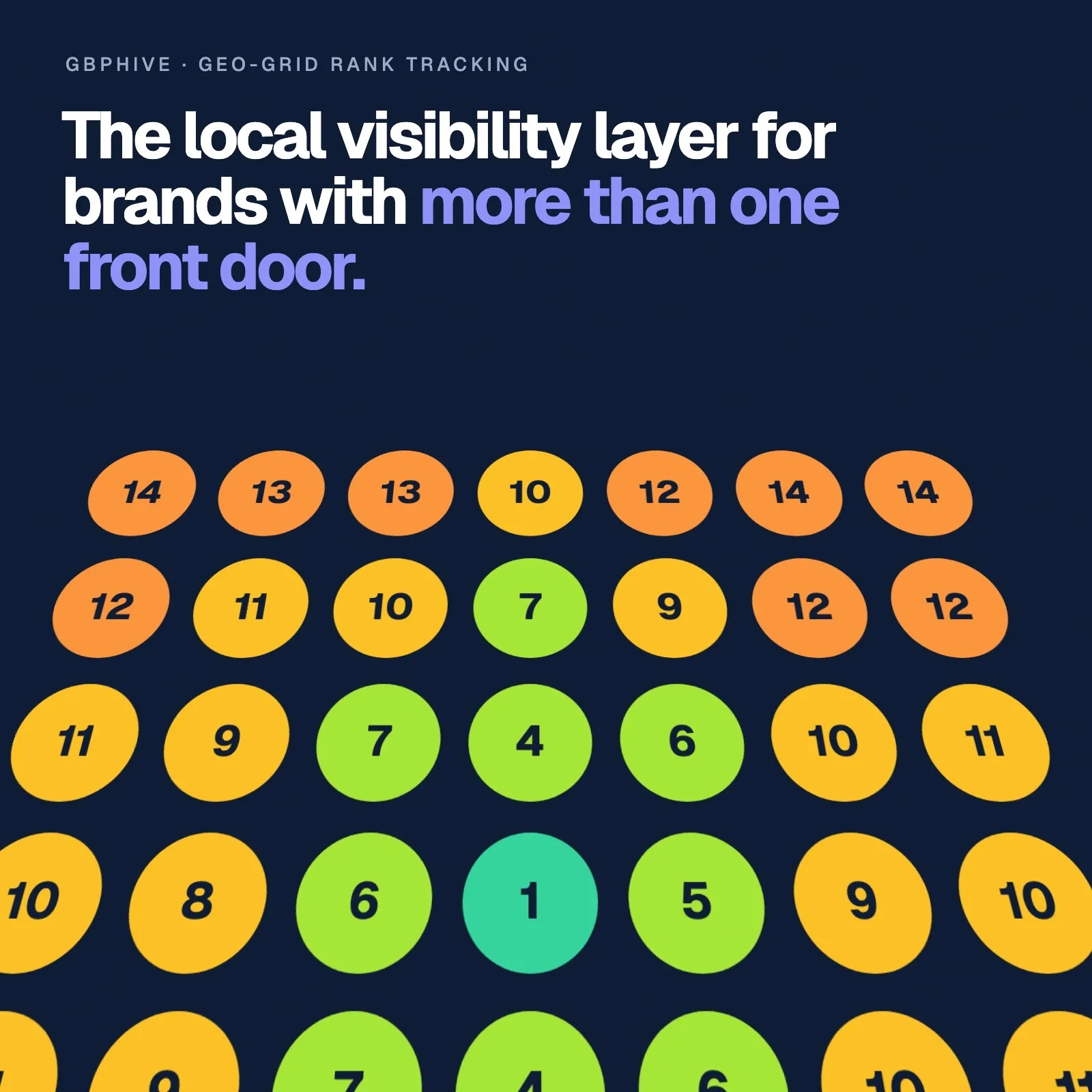
We’ve built this kind of product for ourselves. GBPHive is our own platform for multi-location brands and agencies, with a single review inbox and AI reply drafts: the same staff-dashboard thinking a Doha home services company needs once customers start rating visits. We handled its product design and development.
Related services for Qatar
Our app development service page covers the full method. An app usually needs a marketing site and a sales pipeline around it, so see website development in Qatar and CRM setup for Doha teams. If your users are in the Emirates too, compare our approach to mobile app development in Dubai, or start from the Qatar hub page.
Selected work



How we work
- 01
Discovery
Short working sessions to pin down users, the one workflow that matters most, the data involved and what can wait. You get a written scope at the end.
- 02
Clickable prototype
The key screens designed and linked so you can put them in front of real users before production code exists.
- 03
Build in short cycles
Working software on a test environment every two weeks, reviewed with you, so changes happen while they're still cheap.
- 04
Beta with real users
A small group uses the app on real work. We fix what they trip over and measure whether the core workflow gets done.
- 05
Launch and support
Store submissions or go-live, monitoring, and an agreed support arrangement for fixes, updates and the next features.
Questions
Should we build a mobile app or a web app first?
If customers will use it weekly or need notifications, a mobile app makes sense. If it's for occasional use, staff or partners, a web app is usually faster and cheaper to change. Many Qatar clients start with a web app and add mobile once usage proves the need.
Do apps in Qatar need to be in Arabic?
For consumer apps, we'd treat Arabic as essential. Government services like Metrash2 have set the expectation that apps work properly in Arabic. For internal or B2B tools used by a mostly English-speaking team, English can come first, with Arabic added later.
Where should our app's data be hosted?
It depends on what you collect and who your clients are. Government and some regulated clients may ask for data to stay in Qatar, and both Microsoft Azure and Google Cloud run regions in the country. We'll map the requirements before we choose.
Can you build an app for a QSTP startup?
Yes. Early-stage teams at Qatar Science & Technology Park often need a working first version to test with users or show investors. We help scope it tightly so the budget goes into the features that prove the idea.
Do you maintain apps after launch?
Yes. Apps need updates for new iOS and Android versions, security patches and new features. We agree a support plan before launch so you know who's handling it.
How much does app development cost in Qatar?
It depends on the platforms, features, integrations and how much design is needed. We scope after a discovery call, and often suggest a smaller first release to keep the initial build focused.