Mobile App Development Company in Dubai
We're a Dubai-based studio that designs and builds mobile apps, web apps and SaaS products for UAE businesses. We start by working out whether you need a native app at all, ship a focused first version to real users, and build Arabic, UAE payments and sign-in in from the first sprint when your users need them.
Talk to us about DubaiWhat's included
A straight answer on web app vs native
Before any design, we map what your users actually do and tell you whether a web app, a React Native app or both will serve them, and what each route means for build time and upkeep.
An MVP scoped around one job
A first release built around the single workflow that proves the idea, so real users in the UAE can test it before you fund the full feature list.
Arabic RTL from the first screen
Layouts, navigation and forms designed to mirror for Arabic, plus Arabic App Store and Google Play listings, planned at the start instead of retrofitted after launch.
UAE payments set up the way the stores allow
Cards and Apple Pay through Stripe or a UAE bank gateway, Tabby or Tamara instalments, and the right split between in-app purchase and external payment under Apple's rules.
UAE PASS sign-in when identity matters
For services that need a verified user, we prepare the UAE PASS onboarding: trade license, questionnaires, user-journey diagrams, mockups and staging tests.
Publishing and life after launch
Releases under your own Apple and Google developer accounts, crash monitoring, OS updates and a steady release rhythm once people are using it.
App Development in Dubai
Do you need an app, or a web app that behaves like one?
Many apps commissioned in Dubai should have been web apps. If your users find you through Google or a WhatsApp link, use the product a few times a month, or work at a desk, a web app reaches them faster and costs less to maintain. Native earns its place when people open it daily or need the phone’s hardware.
App factories rarely say this, because a native app for iOS and Android is a bigger invoice. We’d rather start smaller and be right.
A quick test we run in the first call:
- Will people install it? A customer booking a car service twice a year won’t. A driver logging deliveries every hour will.
- Does it need the phone? Camera scanning, location in the background, Bluetooth and offline work all point to native.
- Where does the first visit come from? Search and shared links land in a browser. Make that first visit work before asking for a download.
When native is right, we build in React Native, so one codebase serves iOS and Android and your web team can read it.
Start with an MVP that one workflow can prove
Picture a founder in Business Bay with a sixty-feature spec and a launch date. The quickest way to waste that budget is to build all sixty. We pick the one workflow that proves people will use the product, build it well, and put it in front of real users.
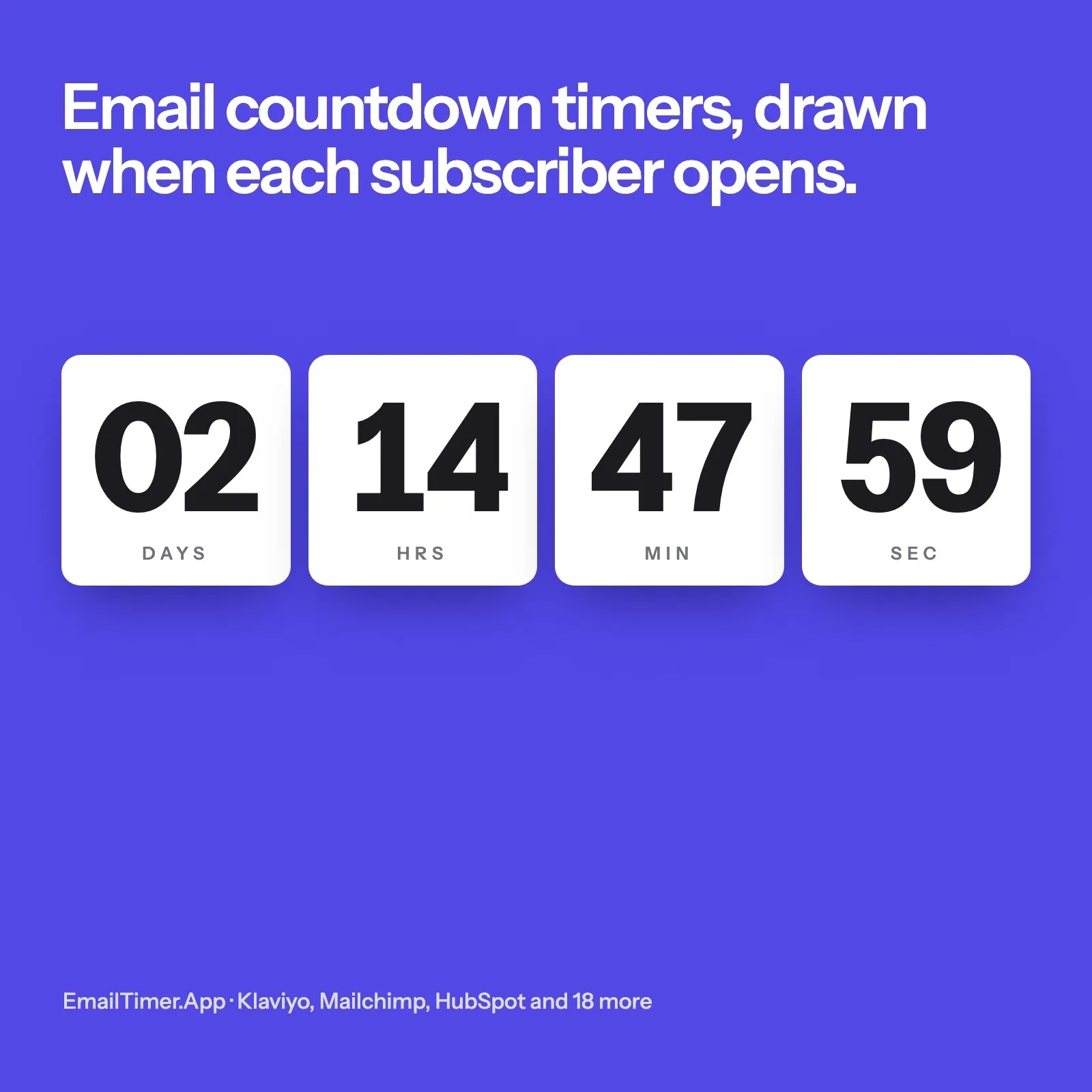
That’s how we approached EmailTimer, our own SaaS product. The one job it had to prove is easy to say and hard to build: draw a countdown timer or personalised image at the moment each subscriber opens an email. Everything else, including integrations with Klaviyo, Mailchimp, HubSpot and 18 more email platforms, hangs off that core. We designed it, built it, and run its marketing and SEO ourselves, so we live with every product decision we make.
What we’ve actually shipped
Agencies in this market show a lot of screen mockups. We’d rather point you at products you can open.
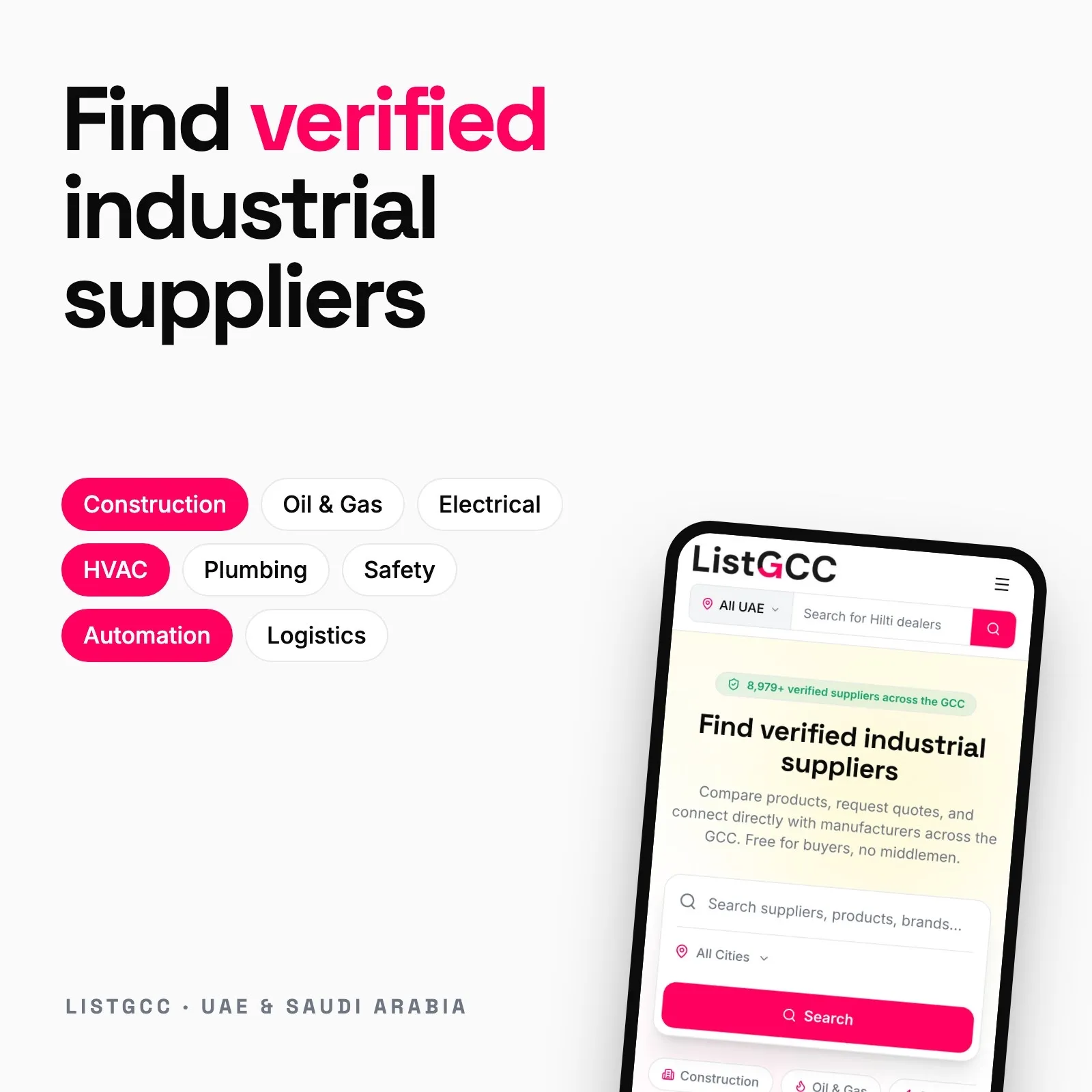
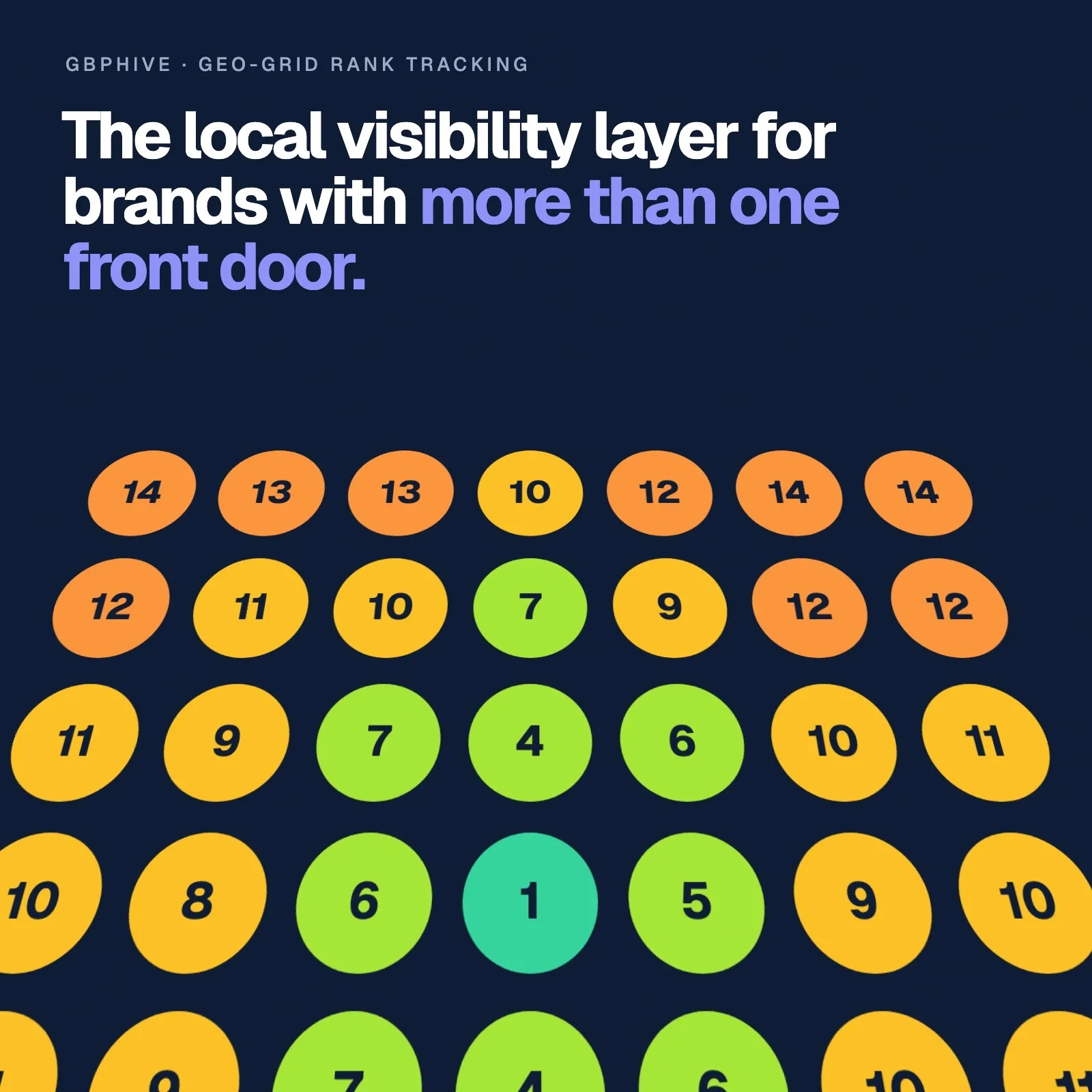
- EmailTimer, the email SaaS above, and GBPHive, our local SEO platform for multi-location brands and agencies, with daily geo-grid tracking and one review inbox.
- Triune’s catalog platform, a B2B catalog for an oilfield and industrial supplier in Dubai, built for procurement teams who search by part.
- GBP Rank Tracker, our own free, open-source desktop app for Windows and macOS. Danish built it to scan Google Maps rankings across a geo-grid.
- Search Location Changer, our Chrome extension for viewing Google results from another city or country.
Our own products matter most here, because we maintain them ourselves. We know what happens after launch: OS updates, store policy changes, users doing things nobody planned for.
The UAE pieces most app quotes leave out
Payments
Apple’s App Review Guidelines (section 3.1.3(e)) say physical goods and real-world services must be paid for outside in-app purchase. For a Dubai delivery, booking or retail app, that means cards and Apple Pay through Stripe or a UAE bank’s gateway, and often Tabby or Tamara instalments. Stripe only opens accounts for businesses with a UAE trade license, so we check the license holder before choosing a provider.
UAE PASS
UAE PASS sign-in suits apps that need a verified identity: property, finance, healthcare and anything that signs documents. Private companies can integrate it after onboarding through the UAE PASS developer portal, which asks for the trade license, feature questionnaires, journey diagrams and UI mockups before a staging assessment. That approval takes time, so it goes on the plan from week one.
Arabic and personal data
React Native supports right-to-left layouts, but switching direction usually needs an app reload, and icons such as back arrows have to mirror while logos and media controls stay put. We design both directions together. And if the app collects personal data, the UAE’s Personal Data Protection Law (Federal Decree-Law No. 45 of 2021), or the DIFC’s own data protection law for DIFC companies, shapes your sign-up forms and storage.
How apps connect to the rest of your business
An app rarely lives alone. Most need a website that explains them, which our Dubai web design and development team builds, and a CRM that receives the leads and bookings, covered by our CRM setup for Dubai companies. For our full approach to portals, SaaS and mobile builds, read about our app and software development services, or see all our services in Dubai.
Selected work



How we work
- 01
Discovery
Short working sessions to pin down users, the one workflow that matters most, the data involved and what can wait. You get a written scope at the end.
- 02
Clickable prototype
The key screens designed and linked so you can put them in front of real users before production code exists.
- 03
Build in short cycles
Working software on a test environment every two weeks, reviewed with you, so changes happen while they're still cheap.
- 04
Beta with real users
A small group uses the app on real work. We fix what they trip over and measure whether the core workflow gets done.
- 05
Launch and support
Store submissions or go-live, monitoring, and an agreed support arrangement for fixes, updates and the next features.
Questions
How much does app development cost in Dubai?
It depends on how many platforms you need, how many types of user there are (customer, driver, admin), what it connects to (payments, UAE PASS, your CRM or ERP), whether it works offline, and whether it ships in Arabic. We scope after a discovery call and usually recommend pricing a focused first version, not the whole roadmap.
Do I need a native app or will a web app do?
If your users open it daily, rely on push notifications, or need the camera, Bluetooth or offline access, go native. If they arrive from a Google search or a WhatsApp link, or it's a portal for clients or staff, a web app is faster to ship and cheaper to keep running.
Can my app use UAE PASS for login?
Yes, private companies can integrate it, but it isn't a plug-in. You apply through the UAE PASS developer portal with a valid UAE trade license, describe the use case, sign a service provider agreement and pass a staging review. We prepare the documents and build the flow, and we start that process early.
Which payment methods can a UAE app offer?
For physical goods and real-world services, such as deliveries or bookings, Apple requires a payment method other than in-app purchase, so cards, Apple Pay or Tabby and Tamara instalments work. Digital content unlocked inside the app has to go through in-app purchase. Stripe needs a UAE trade license to open an account.
Should my app be in Arabic as well as English?
If your users include Emirati customers, government-linked clients or families across the Gulf, yes. If it's an internal tool for an English-speaking team, maybe not yet. Either way we build the layout RTL-ready, because adding Arabic to an app that wasn't designed for it means reworking most screens.
Who owns the app and its code?
You do. We publish under your company's Apple and Google developer accounts, keep the code in a repository you own, and document the setup so another team could take over. Organization accounts on both stores ask for a D-U-N-S number, so we sort that out first.