Services — 04
Website Design & Development Company in the UAE
VDESIGNU is a website design and development company that works from Dubai and builds for businesses across the UAE and the Gulf. We design and build on Astro, Next.js, WordPress and Shopify, in English and Arabic, and we launch without throwing away the search traffic your current site already earns.
Start a projectWhat you get
UX and interface design
Page structure and designs built around what a visitor came to do, reviewed on a mid-range phone before anyone approves a desktop mockup.
Builds on the stack that fits
Astro for fast content sites, Next.js when the site needs logins or app-like features, WordPress when your team already works in it, Shopify for most stores.
Headless CMS setup
Sanity, Strapi or Contentful connected to the front end, with editing screens your marketing team can use without filing a request with a developer.
Bilingual English and Arabic (RTL)
Layouts that mirror properly, Arabic type that stays legible at small sizes, hreflang between the language versions, and Arabic copy written for search rather than machine-translated.
E-commerce builds
Shopify or custom stores with the payment options Gulf shoppers expect, including buy-now-pay-later through Tabby or Tamara, plus Arabic product data and local delivery rules.
Core Web Vitals performance
Image handling, font loading and script limits decided during the build, so pages pass on real visitors' phones and not only in a lab test.
SEO-safe migrations and care plans
URL mapping, 301 redirects and post-launch monitoring for redesigns, then updates, backups and small fixes once the site is live.
The detail
What does a website design and development company actually do?
It turns what your business sells into a site people can find, trust and act on, then keeps that site fast and working. For us that covers research and page structure, design in English and Arabic, development on a platform your team can live with, content entry, a launch that protects your search traffic, and care afterwards.
Most briefs we get start with “we need a new website” and a competitor’s link. The useful question comes earlier: what should a visitor do here, and what stops them today?
A dental clinic in Al Barsha wants booked appointments from someone on their phone at lunch. An industrial supplier wants quote requests from procurement teams who already know the part number. Those two sites share almost nothing beyond a header and a footer, so we don’t start them from the same template.
Which platform should your site be built on?
The right platform is the one that matches what the site has to do and how your team will update it. We build on Astro, Next.js, WordPress and Shopify, and we’ll tell you which we’d choose for you and why, including when the honest answer is to keep the platform you already have.
| Platform | Where it fits | What to watch |
|---|---|---|
| Astro | Marketing sites, blogs, multi-language content where page speed matters most | Not meant for logged-in dashboards; pair it with a headless CMS for editors |
| Next.js | Sites with accounts, search, personalisation or app-like features | Most changes need a developer |
| WordPress | Teams already trained on it, frequent publishing, many editors | Plugins pile up over time; we keep the list short and the theme custom |
| Shopify | Most online stores, from one product to thousands | Right-to-left support varies by theme, so check it before committing |
| Headless CMS (Sanity, Strapi, Contentful) | Content reused across a website, an app and other channels | More moving parts; worth it when content really is reused |
This site runs on Astro. That doesn’t make Astro right for everyone: a restaurant group that changes its menu every week needs an editor its staff understand more than a fast framework they can’t touch.
Building in Arabic and English without a second-class version
A bilingual site works when Arabic is planned from the first wireframe instead of poured into English templates at the end. That means right-to-left layouts that mirror correctly, Arabic fonts chosen for legibility, a separate URL for each language with hreflang linking them, and Arabic copy written for the way people actually search.
The failures are easy to spot. Arrows still pointing the wrong way. A phone number whose plus sign jumps to the wrong end inside Arabic text. Headings falling back to a system font because the brand typeface has no Arabic glyphs. Machine-translated category pages that rank for nothing.
We build with CSS logical properties so one stylesheet serves both directions, test every template in both languages before launch, and generate hreflang that matches the URL structure. Our hreflang generator for Arabic and English sites does the same job for a single page, and Google’s guidance on localized versions of a page is what we follow.
Why we set speed limits before design is signed off
Core Web Vitals measure how a page feels to real visitors: how quickly the main content appears, how fast the page responds to a tap, and whether things jump around while it loads. The “good” thresholds published on web.dev are a Largest Contentful Paint of 2.5 seconds or less, Interaction to Next Paint of 200 milliseconds or less, and Cumulative Layout Shift of 0.1 or less.
Most slow sites we audit were already slow on launch day. A hero video autoplaying over mobile data. Several tracking tags loading before the menu works. A slider nobody clicks.
So we agree limits while designing: how heavy the first screen can be, which fonts load, which scripts wait until a visitor interacts. After launch we read field data in Search Console, because a lab score from an office connection says little about a shopper in Sharjah on her phone.
How do you redesign a website without losing rankings?
List every URL that earns traffic, links or leads before anything changes, give each one a home on the new site, and redirect it with a 301 on launch day. Then watch Search Console closely for the following weeks. Most traffic lost in a redesign disappears because nobody made that list.
Before design starts
We crawl the old site and export Search Console, analytics and backlink data. Every page with value gets a row and a destination. Dead pages can go, on purpose.
On launch day
Redirects go live with the new site, one hop each, no chains. The pages that ranked keep their topic, headings and internal links even when the design changes completely. We build the rules in bulk with our CSV-to-redirects URL mapper and test them before the DNS switch.
In the weeks after
We check crawl errors, indexing and positions for every page on the list and fix what slips. If you’re planning a move yourself, our website migration SEO checklist has the full sequence, built on Google’s own site move documentation.
Who we’re a good fit for, and who we aren’t
We suit businesses that treat their website as a sales channel: service firms that need enquiries, stores that need orders, B2B suppliers whose buyers search by product and spec. We’re a poor fit for a placeholder page needed by Friday, or for a project where the design is finished and only needs coding.
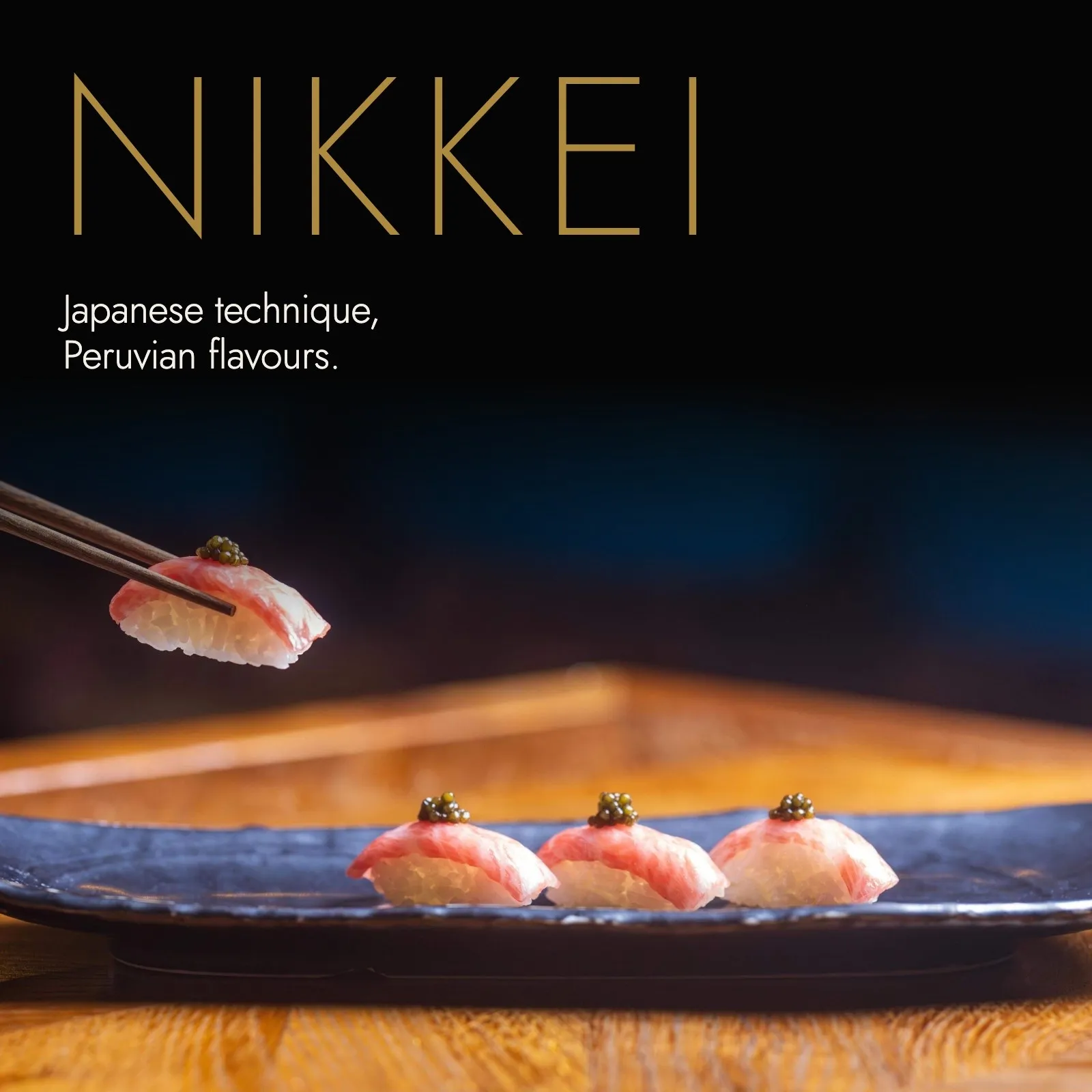
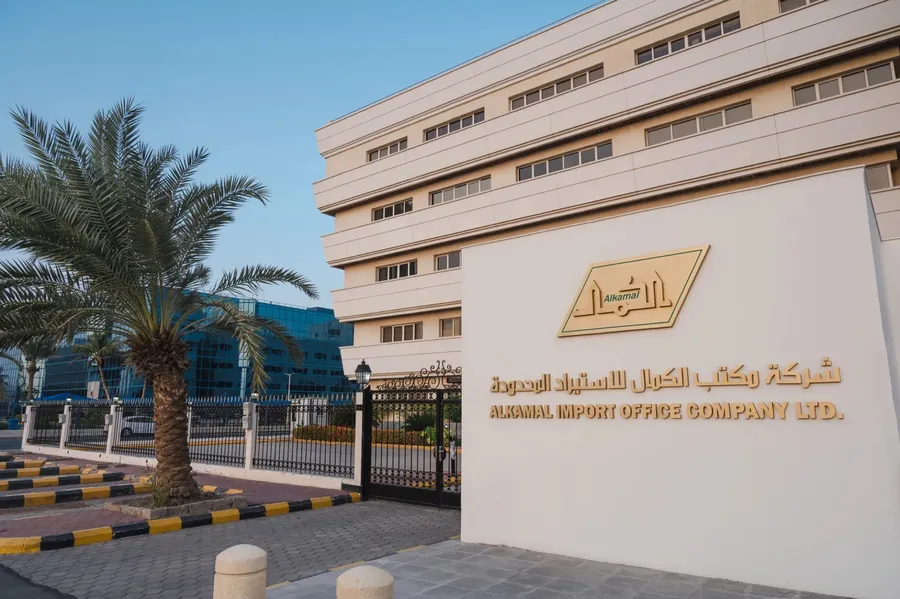
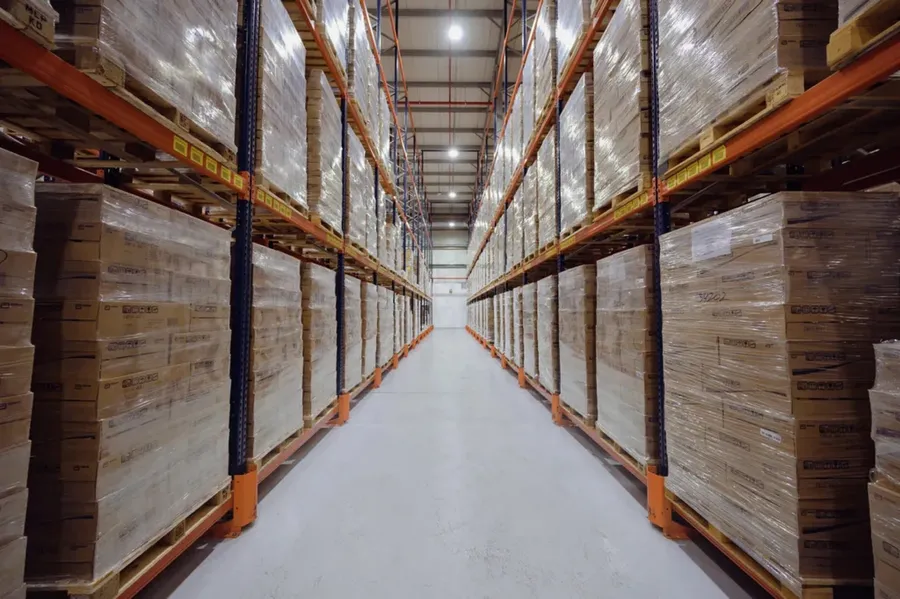
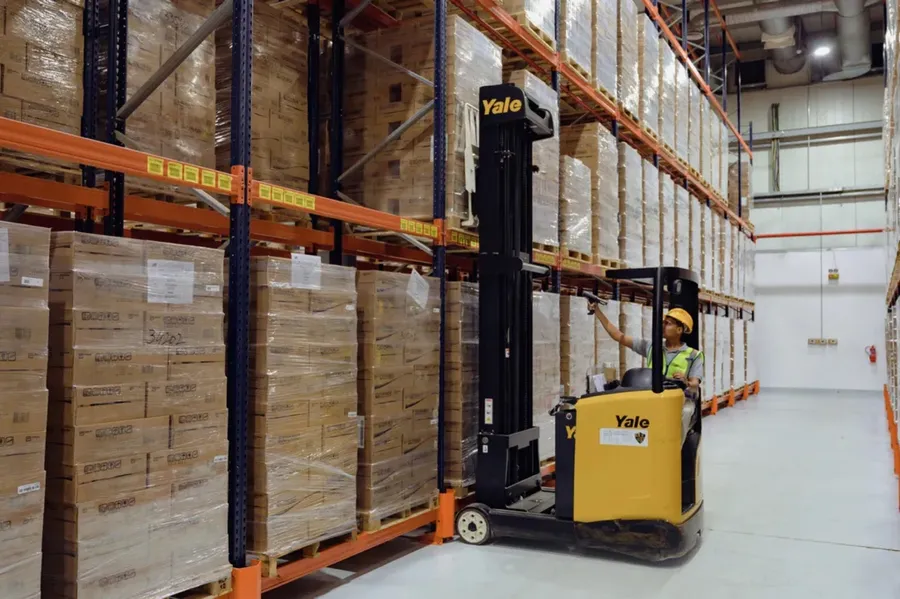
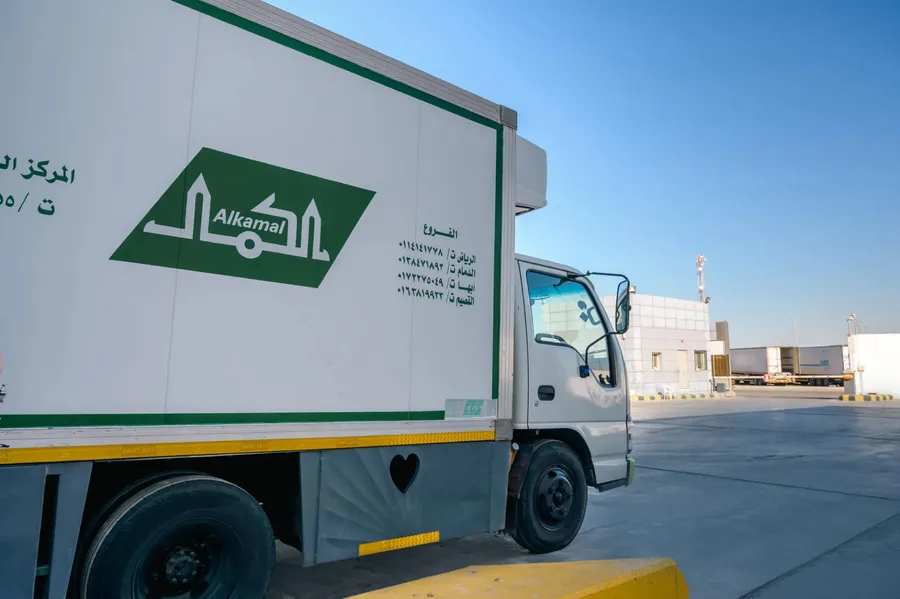
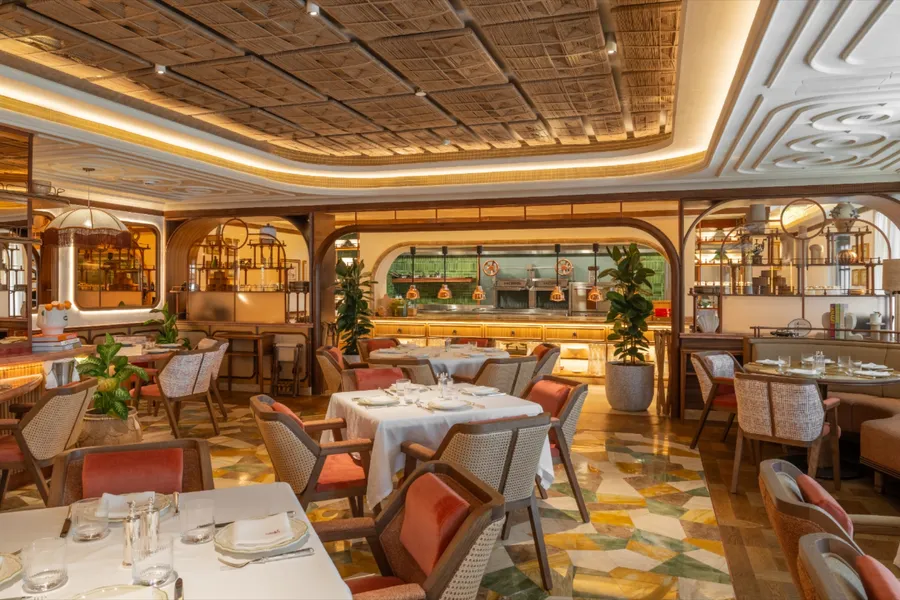
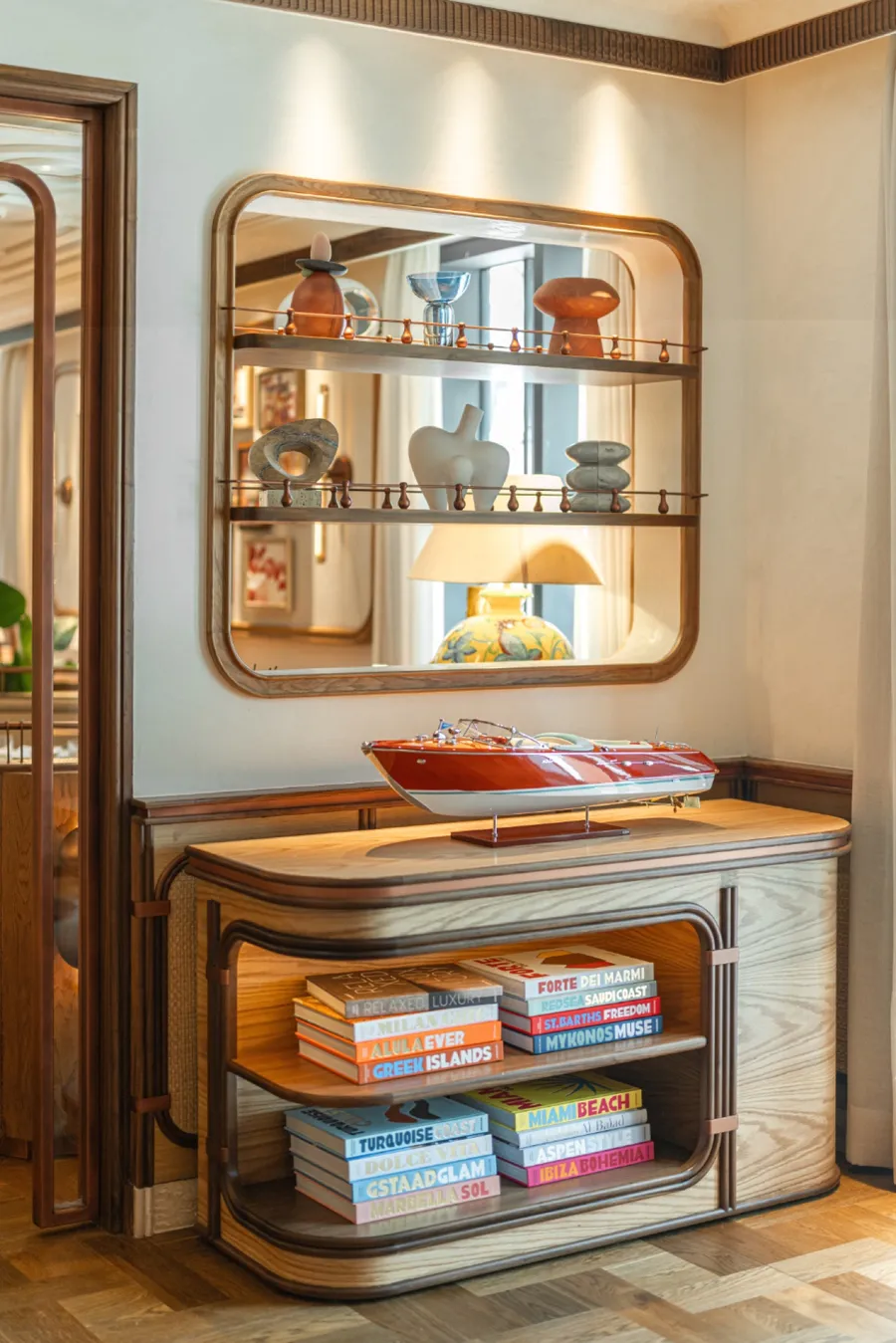
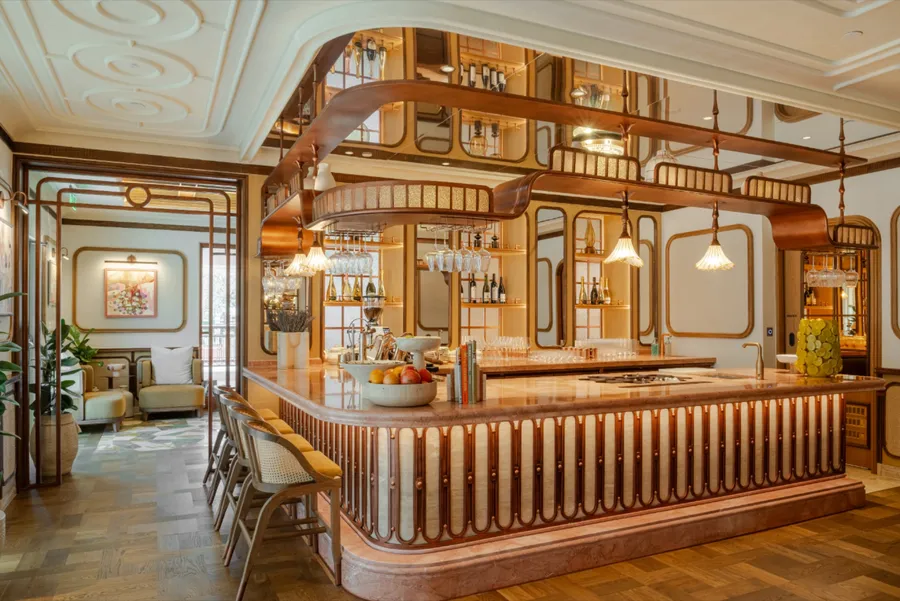
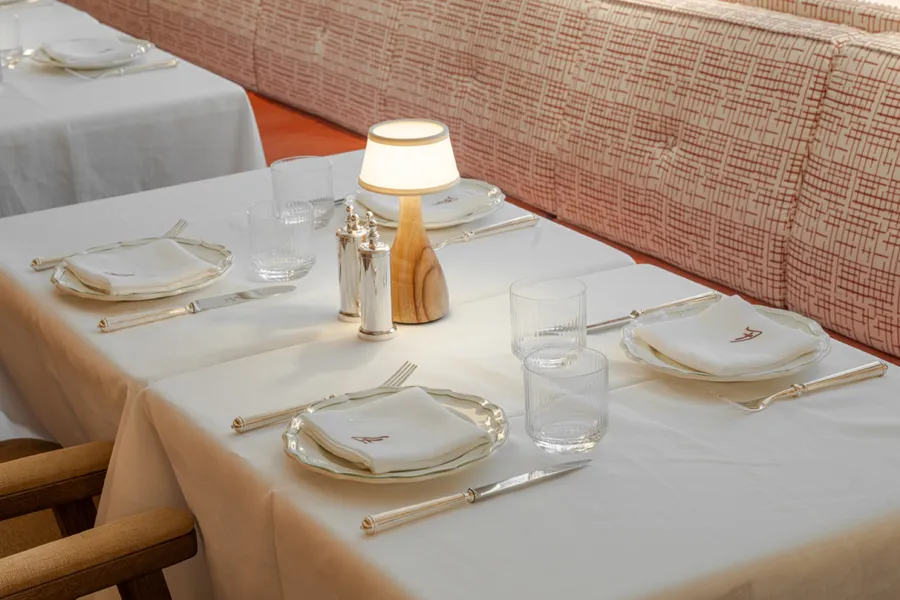
A few examples of the work. For HAMAC, a swimwear and resort wear boutique in Dubai and Abu Dhabi, we built the e-commerce site and run its SEO. For Triune’s oilfield supply catalog in Dubai we built the website and catalog platform. For Lola, a French brasserie in Jeddah, we built the site and run SEO.
Comparing agencies? Our guide on how to choose a web design company in Dubai lists the questions worth asking, including some that make us look bad.
Where we build, and what happens after launch
Our team is in Dubai, and we build for clients across the Emirates and the Gulf, working remotely outside Dubai. City pages go deeper on local buyers and competition: web design in Dubai, website development for Abu Dhabi businesses and web design in Riyadh. Online stores get their own page on e-commerce website design in Dubai.
A care plan covers updates, backups and small changes after launch. Once the site is live, our SEO services build the traffic it was designed to convert. If the logo and identity aren’t settled, branding and identity work should come first. And when the site needs logins, dashboards or a customer portal, that’s web app development.
Selected work


How we work
- 01
Audit and scope
We crawl your current site, pull Search Console data and list every page that earns traffic, links or leads. That list protects the launch and shapes the scope.
- 02
Structure and design
Sitemap, page templates and a content plan come first. Visual design follows, in both languages, reviewed on phones.
- 03
Build on staging
Development happens on a private staging link you can click through from the first templates, with real content entered as each template is finished.
- 04
Pre-launch checks
Redirects tested, Core Web Vitals measured, forms and analytics verified, Arabic pages read by a native speaker, basic accessibility checked.
- 05
Launch and watch
We go live, submit sitemaps and check crawl errors, indexing and rankings closely for the first weeks, fixing anything that slips.
Questions
How long does it take to build a website in the UAE?
A focused marketing site usually takes two to three months from kickoff to launch. Bilingual sites, stores and anything with logins or integrations take longer. Content is the usual bottleneck: sites launch on time when copy and photos are ready before the templates are.
How much does website development cost in the UAE?
Cost depends on the number of unique page templates, whether you need Arabic as well as English, the platform, e-commerce and integrations, and how much content we write versus you supply. We scope after a free call and an audit of your current site, so the proposal matches your project rather than a package.
Should we use WordPress or a custom build?
Use WordPress if your team already knows it, publishes often and needs many editors. Choose Astro or Next.js with a headless CMS when speed, security and a lean codebase matter more than a plugin library. We recommend after seeing how your team will actually update the site.
Can you build our website in both Arabic and English?
Yes. We design both languages from the first wireframe, build right-to-left layouts with proper mirroring, set separate URLs and hreflang for each version, and have Arabic copy written or reviewed by native speakers for how people in the Gulf search.
Will we lose Google rankings if we redesign our website?
Not if the migration is planned. Rankings drop when pages that earned traffic disappear or move without redirects. We map every valuable URL before design starts, redirect each one with a 301 at launch and watch Search Console closely afterwards.
Do you build Shopify stores?
Yes, Shopify is our default for most online stores. We set up the theme, Arabic storefront, payment options such as Tabby and Tamara, shipping rules and product data structure. For catalogs with unusual pricing or B2B quote flows, we sometimes recommend a custom build instead.
Who owns the website after launch?
You do. The domain, hosting, CMS and code repository sit in accounts under your name, and we work inside them, so moving to another team later needs nothing handed back.
Do you only build websites for Dubai companies?
No. We're based in Dubai and build for businesses across the UAE, Saudi Arabia, Qatar and the wider Gulf, plus the United States and Australia. Outside Dubai we work remotely, through calls, staging links and written updates.
Web Design by city
UAE Web Design in Dubai Web Design in Abu Dhabi Web Design in Sharjah Web Design in Ajman Web Design in Ras Al Khaimah Web Design in Fujairah Web Design in Umm Al Quwain
Saudi Arabia Web Design in Riyadh Web Design in Jeddah Web Design in Dammam Web Design in Al Khobar Web Design in Medina Web Design in Mecca
Qatar Web Design in Doha
Kuwait Web Design in Kuwait City
Oman Web Design in Muscat
Bahrain Web Design in Manama
United States Web Design in Chicago
Australia Web Design in Melbourne
Guides
- How to Choose the Best Web Design Company in Dubai
- Website Migration SEO Checklist: Move Your Site Without Losing Rankings