Riyadh, Saudi Arabia Web Design
Web Design & Development Company in Riyadh
We design and build websites and online stores for Riyadh and Saudi businesses, with Arabic as a first language and English beside it. Our sites take the payment methods Saudi customers use, show the details Saudi law asks for, and load fast on a phone. We build on Astro, Next.js, WordPress and Shopify, working remotely from Dubai.
Talk to us about RiyadhWhat's included
Arabic-first UX and right-to-left design
Wireframes drawn in Arabic from day one, with mirrored layouts, Arabic typography that holds up at small sizes, and English laid out alongside rather than first.
A checkout Saudi shoppers trust
mada, Apple Pay and STC Pay through a Saudi payment gateway, Tabby or Tamara instalments where they suit your basket size, and a National Address field so deliveries arrive.
Saudi requirements on the page
Seller name, address and commercial registration number shown as the E-Commerce Law requires, PDPL consent on forms, and order data ready for ZATCA e-invoicing.
The right platform, honestly chosen
We'll tell you when Salla or Zid is enough, and build on Shopify, WordPress or a custom Astro or Next.js site when you need more control over content, speed or integrations.
Fast pages on Saudi mobile networks
Core Web Vitals work, with careful loading of Arabic web fonts, which carry far more glyphs than Latin ones and slow pages down when handled carelessly.
Launches that keep your rankings
Redirect maps, hreflang and Search Console set up before go-live, so a redesign doesn't wipe out the Arabic rankings you already have.
Web Design in Riyadh
A Riyadh website has two first languages
Plenty of Saudi websites were designed in English and then flipped. You can tell. The Arabic headings wrap awkwardly, icons point the wrong way, numbers sit in odd places, and the menu labels are literal translations nobody in Riyadh would use.
We start the other way round. Wireframes are drawn in Arabic, so the hierarchy works for a right-to-left reader, and the English version is laid out to match. Our free Arabic and English content parity checker shows how far apart two language versions have drifted, which is often the first thing we run on an existing site.
The checkout is where Saudi stores win or lose
A shopper in Al Yasmin with a full basket wants to pay the way she always pays. In Saudi Arabia that’s usually a mada debit card, often through Apple Pay. Others reach for STC Pay, or split the payment with Tabby or Tamara, both licensed by the Saudi Central Bank. If her method isn’t there, she leaves.
So we design the checkout around Saudi habits:
| What the shopper expects | What we build in |
|---|---|
| Pay with mada or Apple Pay | A Saudi payment gateway with mada support, tested on iPhone |
| Spread the cost | Tabby or Tamara at checkout, with instalment messaging on product pages |
| Delivery that finds them | A National Address field, since couriers rely on the short address code |
| A proper invoice | Order data handed to an e-invoicing system that meets ZATCA’s Fatoora rules |
Salla, Zid, Shopify or custom?
Plenty of Riyadh retailers do well on Salla or Zid. They’re quick to launch, built for small merchants, and come with Saudi payments and shipping already connected. We won’t talk you out of them if they fit.
They stop fitting when you need content-heavy category pages for SEO, custom product configurators, B2B pricing, or integrations with an ERP the platforms don’t support. That’s when we build on Shopify, or as a custom Astro or Next.js front end, and we can handle the move from your current store without losing order history or rankings.
The paperwork your website has to carry
Saudi websites carry more regulatory weight than most. Before launch we check:
- Seller disclosures. The E-Commerce Law (Royal Decree M/126) requires your name, address and CR number on the store.
- E-store authentication. Maroof’s role now sits with the Saudi Business Center platform, and some payment providers ask for it.
- Data protection. Contact forms, cookies, newsletter sign-ups and analytics set up under the PDPL, which SDAIA has enforced since September 2024.
- Domain. If you want a .com.sa, registration through SaudiNIC (run by the CST) needs a valid commercial registration that relates to the name.
What we’ve built for Saudi clients
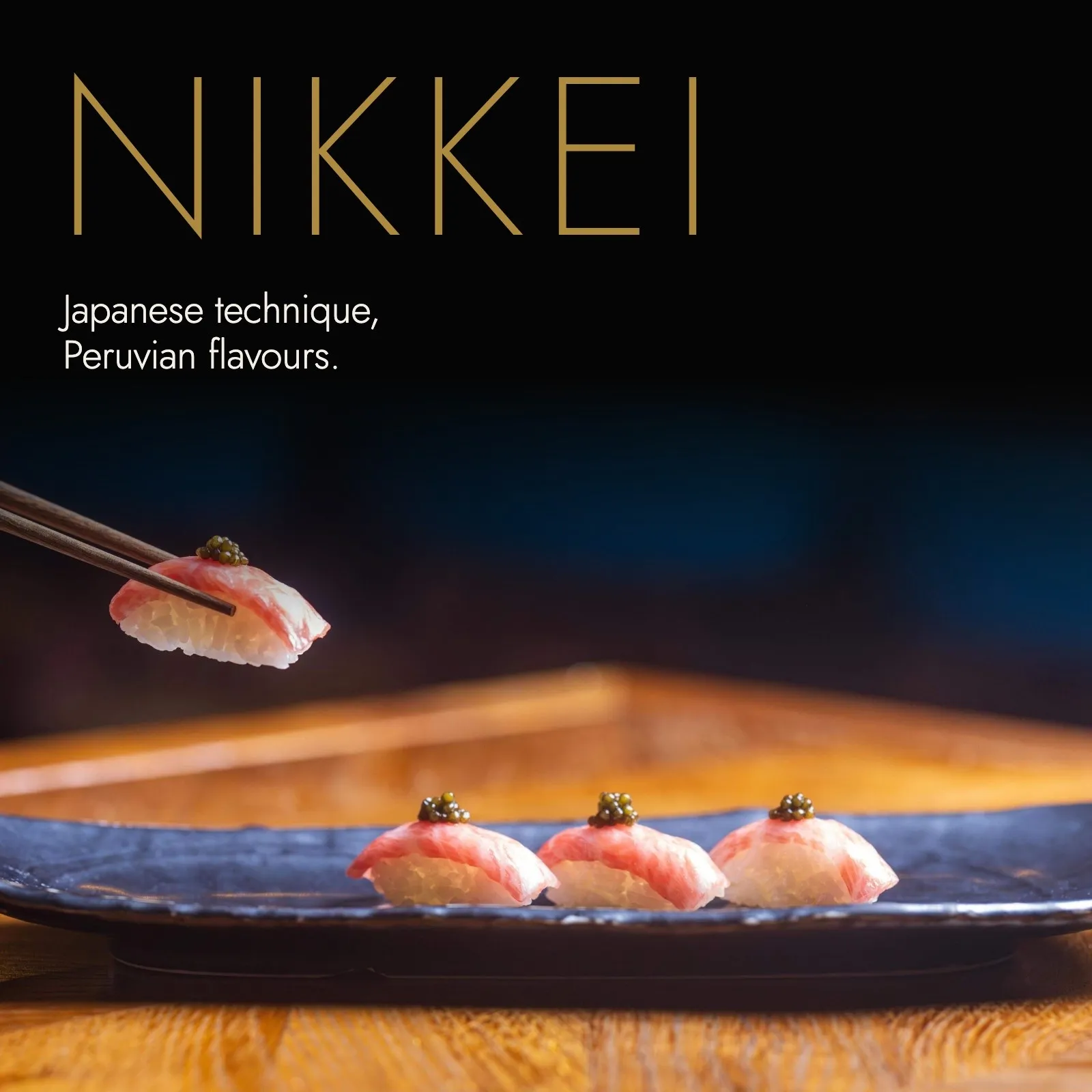
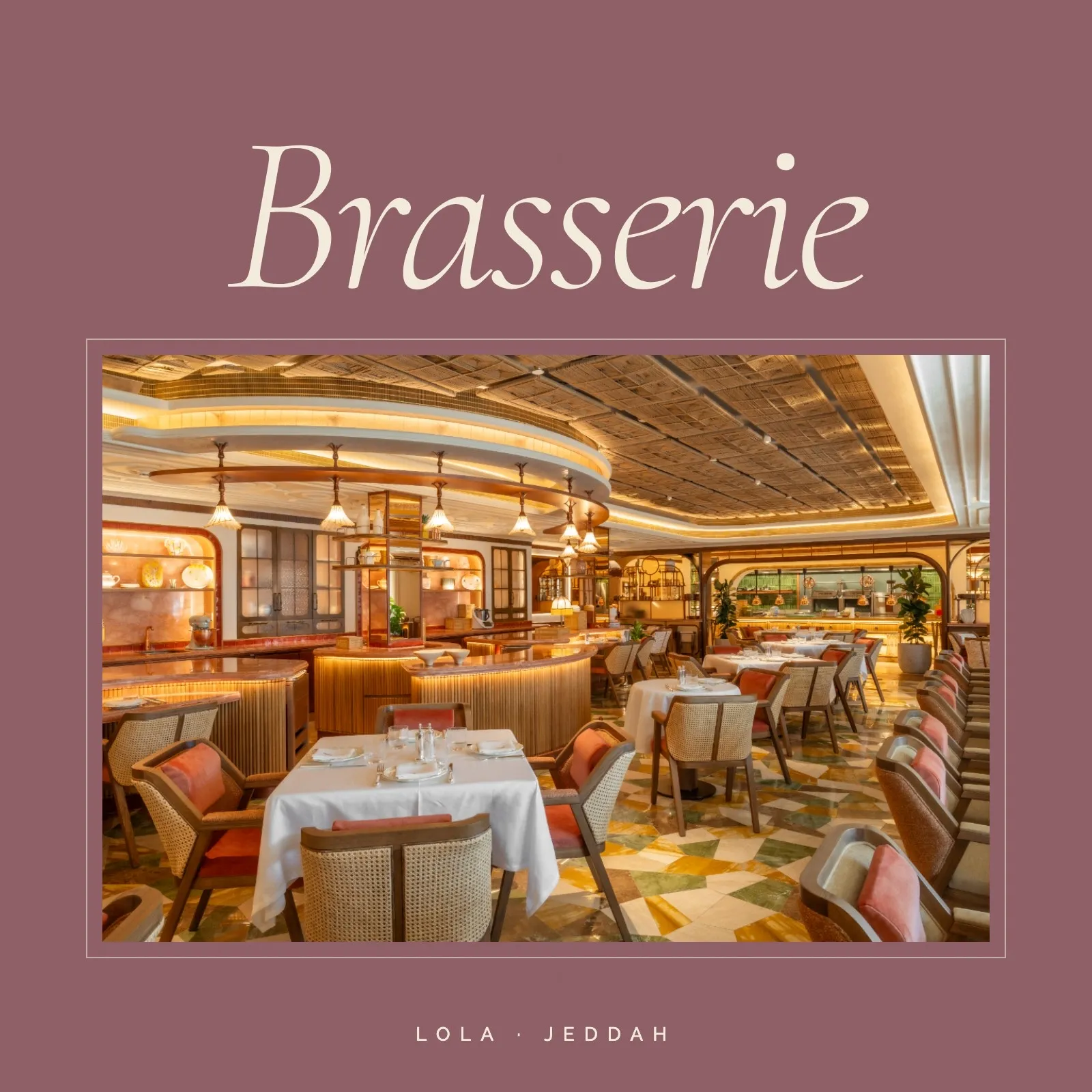
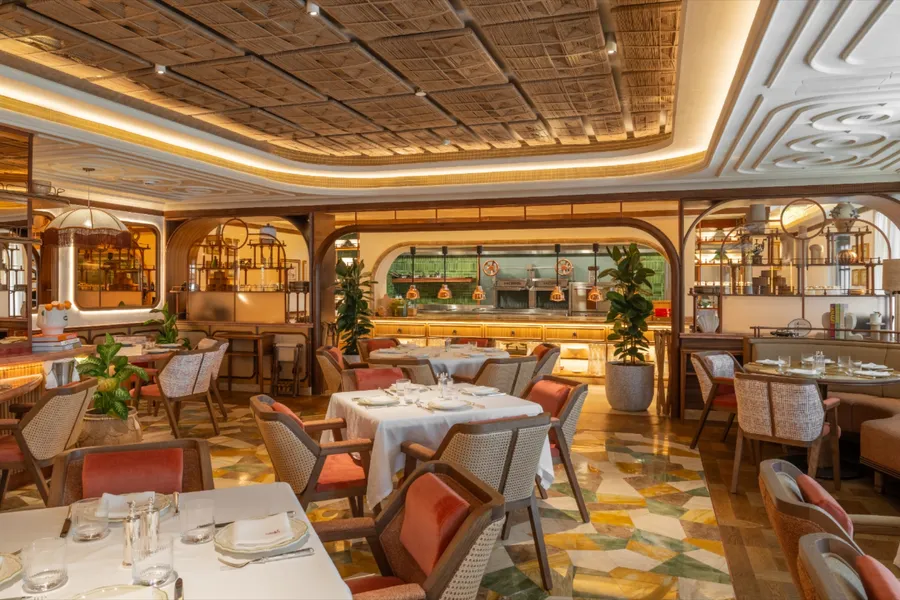
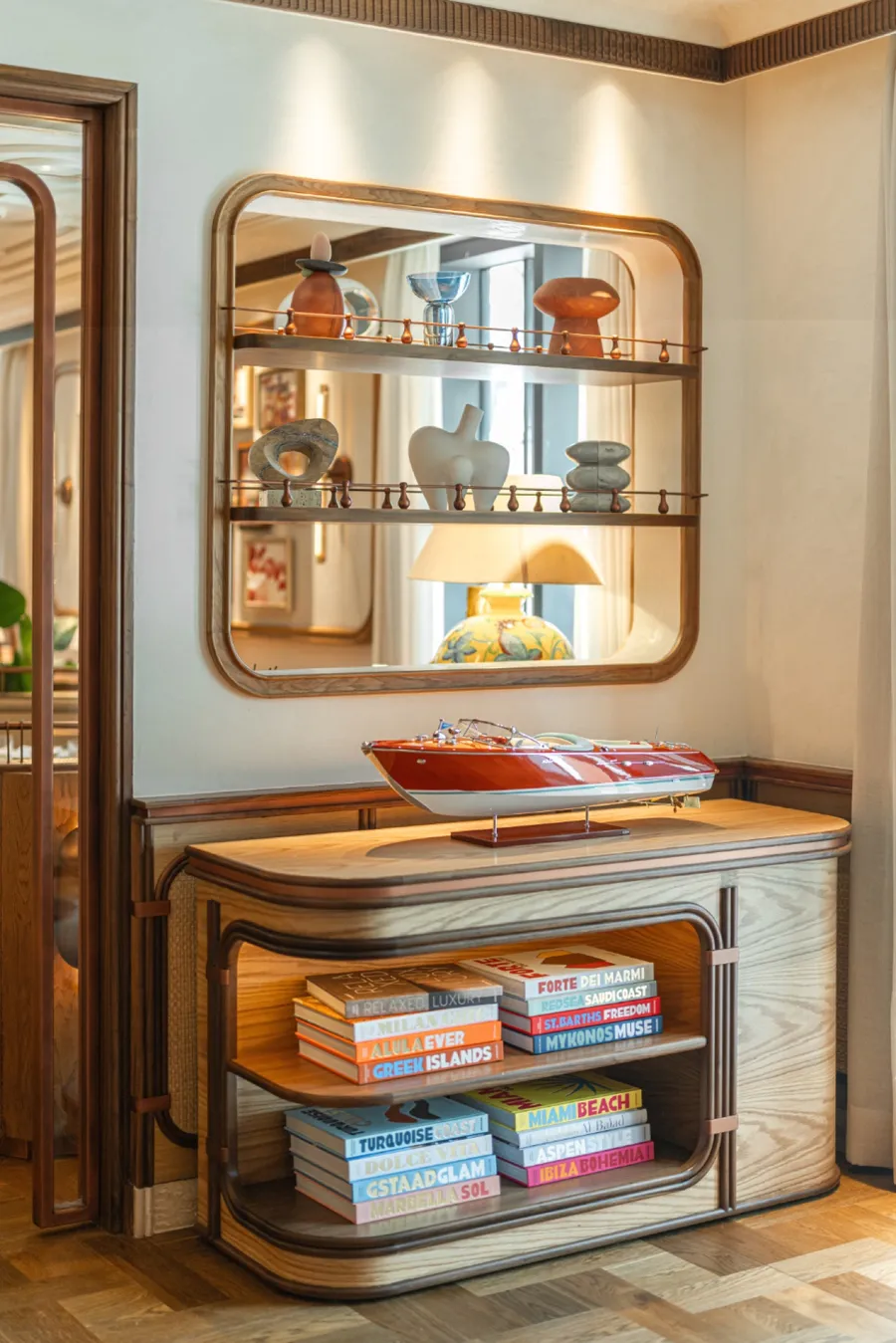
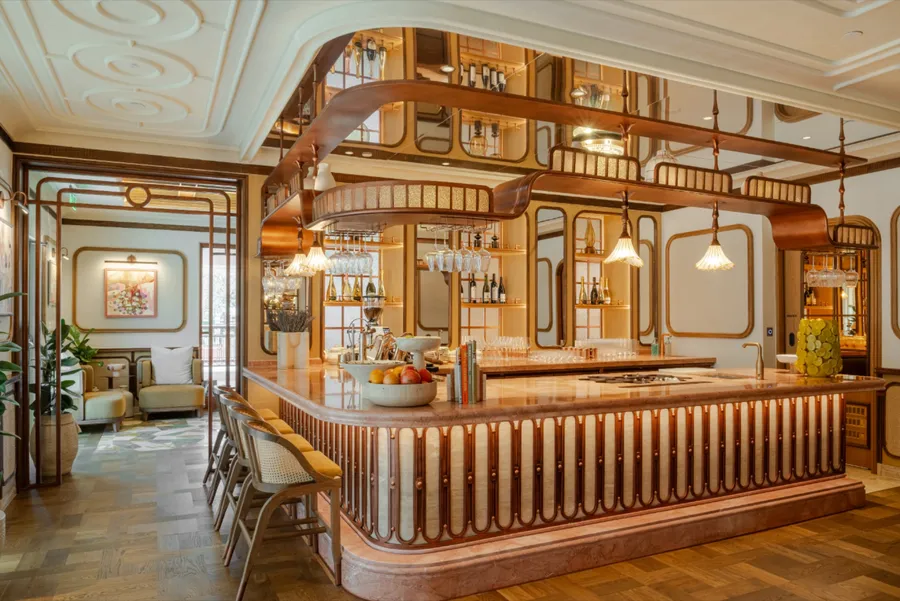
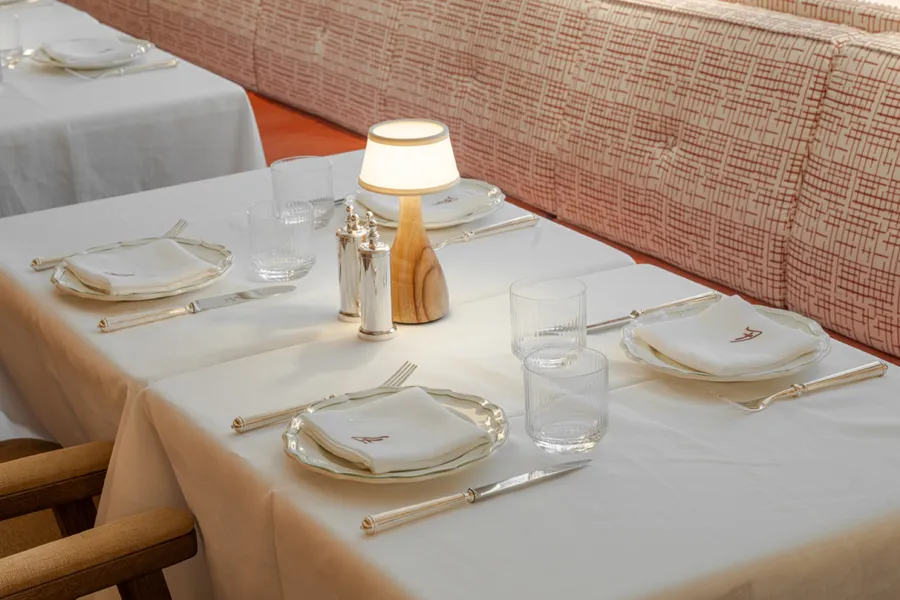
Our Saudi web work so far is in hospitality. We built the site for Lola’s Jeddah brasserie, where the job was to get the menu, mood and reservation in front of a guest without clutter, and the website for the KSA restaurant Kuuru. Both run with search set up from launch.
Where the website fits
A new site works better with search built in from the start, so see SEO for Saudi Arabia from our Riyadh page and, if you’re rebranding at the same time, brand identity for Riyadh companies. The full approach is on our website design and development service. For the rest of our Riyadh work, visit the Riyadh page, and for the west coast, see web design in Jeddah.
Selected work
How we work
- 01
Audit and scope
We crawl your current site, pull Search Console data and list every page that earns traffic, links or leads. That list protects the launch and shapes the scope.
- 02
Structure and design
Sitemap, page templates and a content plan come first. Visual design follows, in both languages, reviewed on phones.
- 03
Build on staging
Development happens on a private staging link you can click through from the first templates, with real content entered as each template is finished.
- 04
Pre-launch checks
Redirects tested, Core Web Vitals measured, forms and analytics verified, Arabic pages read by a native speaker, basic accessibility checked.
- 05
Launch and watch
We go live, submit sitemaps and check crawl errors, indexing and rankings closely for the first weeks, fixing anything that slips.
Questions
Should our Riyadh website be Arabic first or English first?
For most consumer and SME businesses in Riyadh, Arabic first, with English as a full second version. If you sell mainly to multinationals or government procurement teams, English may share top billing, but your Arabic pages still need to be complete. A half-translated Arabic site loses trust faster than having none.
Should we build on Salla or Zid, or have a custom site?
Salla and Zid are Saudi platforms that get a store selling quickly, with local payments and shipping built in. They suit many retailers. If you need custom content structures, complex integrations, or tighter control over speed and SEO, Shopify or a custom build gives you more room. We help you decide before you commit.
What does Saudi law require on an e-commerce website?
Under the E-Commerce Law, your store must show the seller's name and address and, if registered, the commercial registration number. The PDPL governs how you collect and store customer data. ZATCA's Fatoora rules require compliant e-invoices for sales. E-store authentication now runs through the Saudi Business Center's platform.
Can you build our Riyadh website when you're based in Dubai?
Yes. We run discovery, design reviews and sign-offs over video calls and shared prototypes, and we've done this for Saudi clients before, including the website for Lola, a French brasserie in Jeddah. Dubai is one hour ahead of Riyadh, so scheduling is simple.
How long does a website take to build?
A focused company site usually takes a few weeks to a couple of months, depending on how much content is ready. An online store with payment, shipping and ERP integrations takes longer. We give you a timeline after scoping, and the Arabic content is usually what decides it.
How much does website design cost in Saudi Arabia?
It depends on the number of pages and languages, whether you need e-commerce, which integrations are involved, and who writes the Arabic content. We scope after a short call and an audit of what you have now.