Ras Al Khaimah, UAE App Development
App Development in Ras Al Khaimah
We build web apps, portals and mobile apps for Ras Al Khaimah businesses: dealer and distributor portals for manufacturers, booking and capacity systems for hotels and adventure operators, and internal tools that replace the spreadsheets a business has outgrown. We work from Dubai and run RAK builds remotely.
Talk to us about Ras Al KhaimahWhat's included
Scoping around one real workflow
We map the process the app replaces, such as an order, a booking or an inspection, before anyone designs a screen.
Dealer and distributor portals
Logins for your trade customers to check stock, place orders, download documents and see order status, built for RAK exporters.
Booking and capacity systems
Time slots, group sizes, waivers, payments and rescheduling for activity and hospitality operators.
Internal tools and dashboards
Production tracking, quality records or field reports in one place instead of email chains and shared spreadsheets.
Integrations
Payments such as Stripe, Tabby and Tamara, your CRM, accounting software and WhatsApp, connected so data is entered once.
Mobile apps where they earn their place
React Native apps for iOS and Android when users need offline access, the camera or notifications.
App Development in Ras Al Khaimah
Start with the spreadsheet that runs your business
Most app projects we’d take on in Ras Al Khaimah begin with a spreadsheet. A manufacturer tracks distributor orders in one. A tour operator juggles bookings across a spreadsheet, a WhatsApp group and a payment link. A property management team logs maintenance requests in email.
Those systems work until they don’t, usually when the business grows or the one person who understands the spreadsheet goes on leave. The first job is to find the workflow that hurts most and build software for that, and only that, first.
Portals for RAK manufacturers and exporters
A Ras Al Khaimah factory selling through distributors across the Gulf, Africa and South Asia spends a surprising amount of staff time answering the same questions. Is this in stock? Where’s my order? Can you resend the certificate?
A dealer portal answers them without a phone call:
- Live stock and pricing for each distributor’s agreed range.
- Order placement and history, with status updates as an order moves through production and shipping.
- Documents on demand: certificates of origin, test reports, invoices and packing lists.
- Account-specific catalogues so each market sees the products and languages that apply to it.
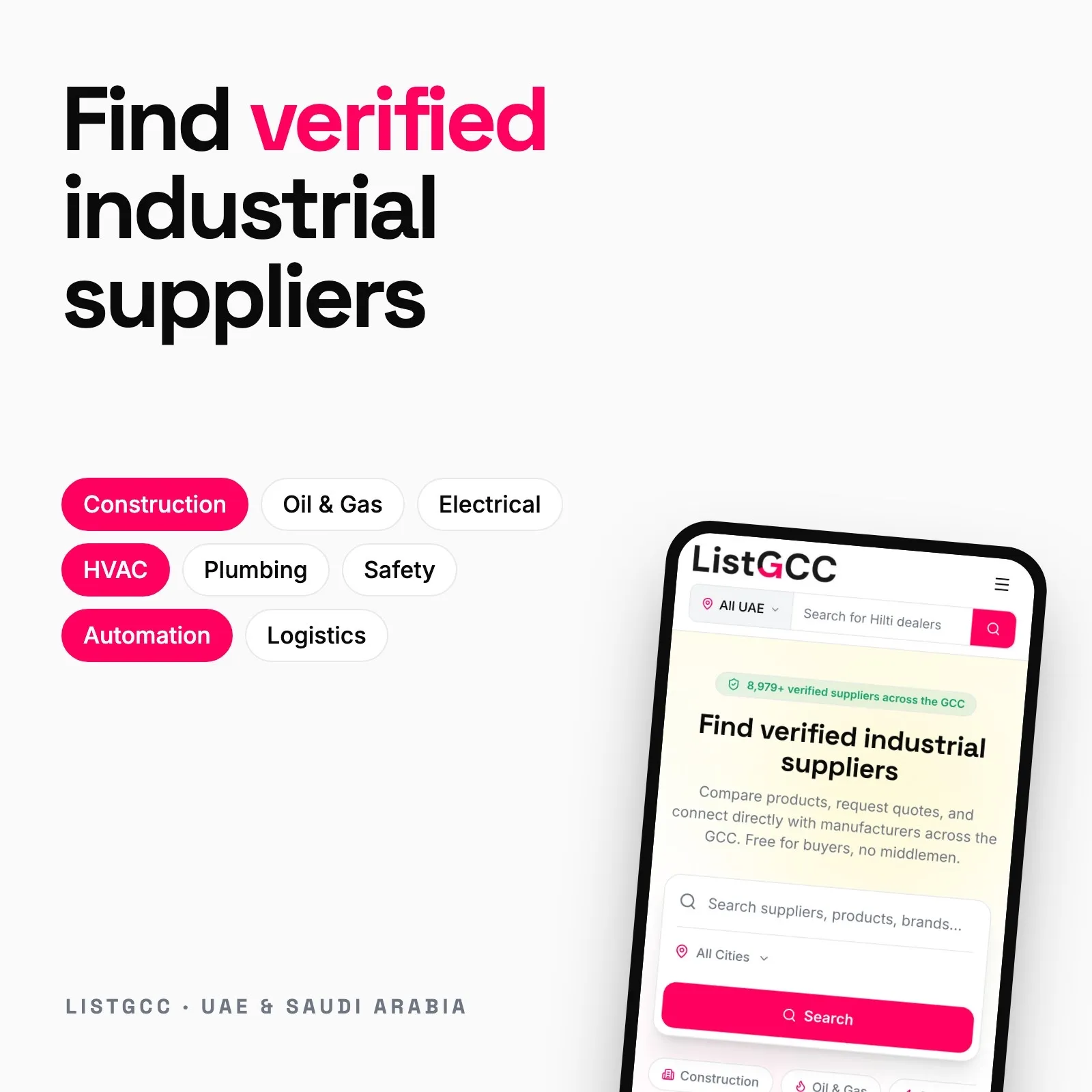
We run a trade platform of our own, too. ListGCC is our B2B directory where buyers compare industrial suppliers, manufacturers and distributors across the UAE and Saudi Arabia, then request quotes. It’s built for trade buyers who want specs, documents and a fast way to ask for a price, which is most of what a distributor wants from a RAK factory as well. The discipline carries over to a dealer portal: small, well-defined, then extended.
Booking systems for mountain and island activities
Adventure and leisure operators in RAK have booking problems a generic plugin handles badly. Sessions have fixed capacity. Some activities have age, height or weight rules. Mountain conditions can close a session at short notice. Groups book together but pay separately.
A custom booking system can handle all of that: capacity per slot, eligibility questions at checkout, digital waivers, split payments, and one-click rescheduling when a session is cancelled. It can also feed bookings straight into a CRM, so the team sees every guest in one place.
Web app, mobile app or both?
Our default for RAK businesses is a web app first. It runs on any device, needs no app store approval, and every user gets updates instantly. We add a mobile app when there’s a clear reason: drivers or field staff working offline, a need for the camera or push notifications, or customers who’ll open it every week.
When we do build mobile, we use React Native, so one codebase serves iOS and Android.
Building with us from Dubai
We’re based in Dubai and work with Ras Al Khaimah clients remotely. Scoping happens over calls and screen recordings, builds are shown in working previews every couple of weeks, and you test on your own devices as we go.
An app often needs a website and a CRM around it. See our RAK web design work and CRM implementation for Ras Al Khaimah for those pieces. The full method is on our app development company page, and the rest of what we do in the emirate is on the RAK hub page.
Selected work



How we work
- 01
Discovery
Short working sessions to pin down users, the one workflow that matters most, the data involved and what can wait. You get a written scope at the end.
- 02
Clickable prototype
The key screens designed and linked so you can put them in front of real users before production code exists.
- 03
Build in short cycles
Working software on a test environment every two weeks, reviewed with you, so changes happen while they're still cheap.
- 04
Beta with real users
A small group uses the app on real work. We fix what they trip over and measure whether the core workflow gets done.
- 05
Launch and support
Store submissions or go-live, monitoring, and an agreed support arrangement for fixes, updates and the next features.
Questions
Should a RAKEZ manufacturer build a mobile app or a web portal for its distributors?
Usually a web portal. Distributors use it from an office, on a laptop, a few times a week. A web app works on any device without an app store and is cheaper to keep updated. A mobile app makes sense for field sales teams who need it offline.
Our Jebel Jais activity sessions get rescheduled when the weather turns. Can a booking system handle that?
Yes. A good booking system lets you close a slot, notify everyone booked in it by WhatsApp or email, and offer them the next available slots with one click. That's much easier to build into a custom system than to bolt onto a generic one.
Do we need to meet in Ras Al Khaimah to scope an app?
No. We scope over video calls with the people who'll use the app, and screen recordings of how they work today. We're based in Dubai and run RAK projects remotely.
Who owns the code for an app you build?
You do. We hand over the code repository, the hosting accounts and documentation at the end of the project.
How long does a first version take?
A focused first version covering one workflow often takes a few months. Larger systems are better built in stages, with each one in use before the next starts.