App Development Company in Sharjah
We build web apps, customer portals, internal tools and mobile apps for Sharjah businesses, from Industrial Area traders and SAIF Zone logistics firms to schools, clinics and startups at SRTIP. We work from Dubai, a short drive away, and most of our Sharjah app work runs remotely with weekly demos you can click through.
Talk to us about SharjahWhat's included
Scoping before code
A short discovery phase that maps who uses the app, what they do today on paper or in spreadsheets, and the smallest version worth building first.
B2B ordering and quoting
Apps that let contractors and retailers check stock, request quotes and reorder from Sharjah traders and distributors without a phone call.
Portals for parents, patients and customers
Logins where people can book, pay, download documents and track requests, in English and Arabic, on phone or desktop.
Field and warehouse tools
Dispatch, delivery proof, inventory counts and job sheets for teams working between SAIF Zone, Hamriyah and customer sites.
Payments and integrations
Stripe, Tabby and Tamara for payments, plus connections to your CRM, accounting software and WhatsApp Business.
MVPs for Sharjah founders
Lean first versions for startups coming through SRTIP or Sheraa, built so they can grow rather than be rewritten.
App Development in Sharjah
What kind of app does a Sharjah business usually need?
Usually something smaller and more specific than people first imagine. Most Sharjah app projects we’d recommend aren’t consumer apps chasing downloads. They’re tools that replace a spreadsheet, a WhatsApp group or a phone queue: an ordering portal for trade customers, a booking system for a clinic, an admissions tracker for a nursery, a dispatch tool for drivers.
Start there and you get something people use from week one. The consumer app with a loyalty scheme can come later, once you know what customers actually want from it.
Built for traders, factories and fleets
Sharjah has a large base of businesses that move physical goods. The Industrial Areas are full of parts traders, fabricators and workshops. SAIF Zone sits beside Sharjah International Airport with logistics and re-export firms. Hamriyah has heavy industry and its own port, and Port Khalid and Khor Fakkan handle sea freight.
The apps these businesses need are practical:
- Stock and price lookup for sales staff who currently call the warehouse for every quote.
- Trade portals where contractors reorder, see invoices and track deliveries.
- Driver apps with route lists, delivery photos and signatures.
- Job sheets for workshops, linked to the customer’s vehicle or equipment history.
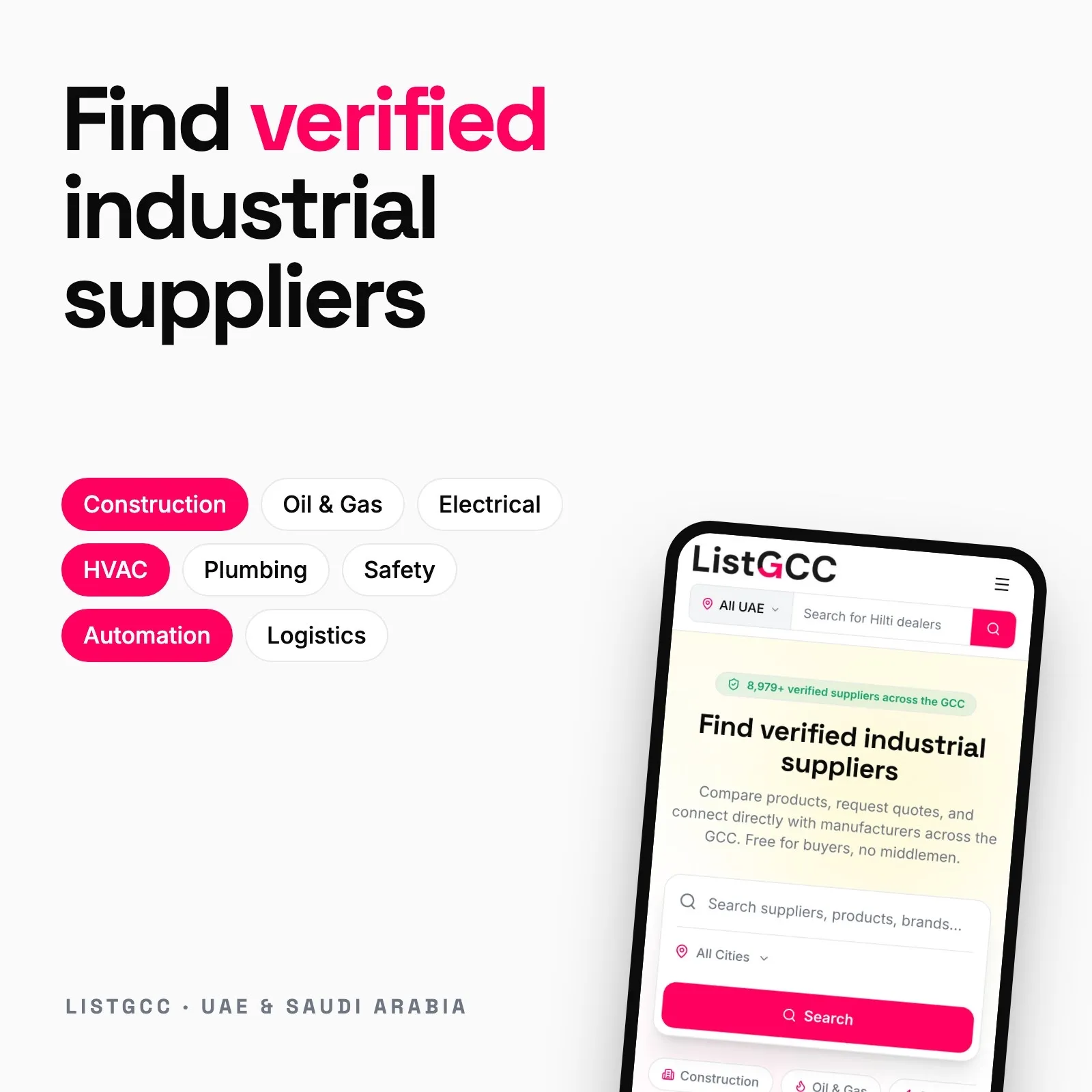
We’ve built B2B trade software before: ListGCC, our own directory of industrial suppliers, manufacturers and distributors across the UAE and Saudi Arabia, and Triune’s catalog platform, where procurement teams search an industrial supplier’s range by part. The parts trade in Sharjah’s Industrial Areas has many of the same headaches: long catalogs, constant quote requests and buyers who want an answer today.
Apps for schools, clinics and families
Education and healthcare are big in Sharjah. University City holds the American University of Sharjah, the University of Sharjah and Higher Colleges of Technology campuses, and private schools and nurseries are spread across the emirate under SPEA’s oversight. Clinics answer to the Sharjah Health Authority.
For these clients the app is usually a portal: parents checking admissions status, patients booking and getting reports, students registering for courses. The hard parts are permissions, Arabic and English interfaces that both feel native, and handling personal data properly. We plan those from the first workshop, not the last sprint.
Building with Sharjah’s startup community
Sharjah has been building a startup scene around SRTIP and Sheraa, the Sharjah Entrepreneurship Center, which is headquartered at the park and runs hubs at the American University of Sharjah and the University of Sharjah. Founders there often need an MVP to test with users or show investors.
We keep those builds tight. One core user journey, real authentication and payments if the business model needs them, analytics from day one, and code that a future team can extend. You own everything.
Payments, Arabic and integrations
UAE customers expect to pay by card and increasingly by instalments, so we integrate Stripe, Tabby and Tamara where they fit. Interfaces are designed in both languages with right-to-left layouts mirrored properly. And the app connects to what you already run: a CRM, accounting software, WhatsApp Business, or the website your customers already know. Mobile apps are built in React Native, so one codebase serves iPhone and Android.
How we work with Sharjah teams
We’re in Dubai, so most collaboration is remote: a discovery workshop, then fortnightly sprints with a demo link at the end of each one. You test the real thing as it grows rather than waiting for a big reveal. When a hands-on session with your warehouse or front-desk team would help, Sharjah is close enough to make that easy.
Related services in Sharjah
Apps rarely stand alone. Most of ours connect to sales data, so see our CRM projects in Sharjah for that side. The full method is on our web and mobile app development page, and we also run portals and apps we build for Dubai firms. For everything else we do in the emirate, see our Sharjah services.
Selected work





How we work
- 01
Discovery
Short working sessions to pin down users, the one workflow that matters most, the data involved and what can wait. You get a written scope at the end.
- 02
Clickable prototype
The key screens designed and linked so you can put them in front of real users before production code exists.
- 03
Build in short cycles
Working software on a test environment every two weeks, reviewed with you, so changes happen while they're still cheap.
- 04
Beta with real users
A small group uses the app on real work. We fix what they trip over and measure whether the core workflow gets done.
- 05
Launch and support
Store submissions or go-live, monitoring, and an agreed support arrangement for fixes, updates and the next features.
Questions
Do I need a mobile app or a web app?
Most Sharjah businesses are better served by a web app first. It works on every phone and laptop, needs no app store approval and is cheaper to change. A native mobile app makes sense when people will use it daily, need offline access or rely on the camera, GPS or push notifications.
Can an app help an Industrial Area spare parts business?
Yes. Parts traders juggle stock across warehouses, prices that change often and customers who order by WhatsApp photo. A simple app for stock lookup, quotes and order history can save hours a day. We also run ListGCC, our own B2B directory where buyers compare suppliers and request quotes, so we've designed for exactly this kind of buyer: someone who needs a part, a price and a fast reply.
Do you build MVPs for startups at SRTIP or Sheraa?
Yes. Founders at the Sharjah Research Technology and Innovation Park or in Sheraa's programmes usually need a working product to test with real users fast. We scope a first version around one core job, build it on a stack that can grow, and leave you owning the code.
Can you build school or nursery apps for Sharjah?
We can build parent portals, admissions systems and communication tools. Schools in Sharjah are licensed and inspected by SPEA, so we plan reporting and record-keeping around what the school has to show, and we treat children's data with extra care under UAE data protection law.
Where is app data stored for a Sharjah business?
Wherever your requirements say. The major cloud providers have UAE regions, and we can host there when a client, regulator or contract needs data kept in the country. We design around the UAE's Personal Data Protection Law either way.
How much does app development cost in Sharjah?
It depends on the number of user types, screens, integrations and platforms, and whether you need native mobile apps. We scope it in a short discovery phase, then give you a proposal for the first version and a view of what comes after.