Melbourne, Australia App Development
Mobile App Development in Melbourne
We build mobile apps, web apps and client portals for Melbourne businesses, working remotely from Dubai. That means React Native apps for iOS and Android, browser-based tools your staff use all day, and integrations with Stripe, Xero, MYOB and your CRM, with personal data handled in line with the Australian Privacy Principles.
Talk to us about MelbourneWhat's included
Discovery and a clickable prototype
Workshops on video to pin down the jobs the app must do, then a Figma prototype you can tap through on your phone before any code is written.
React Native apps for iOS and Android
One codebase, two stores, with native modules where the camera, location or payments need them.
Web apps and portals
Booking systems, quoting tools, client portals and dashboards that run in a browser and don't need an app store at all.
Australian payments and accounting
Stripe with Apple Pay, Google Pay and Afterpay where it fits, and invoices or payments synced to Xero or MYOB.
Privacy and security from the first sprint
Data mapped against the Australian Privacy Principles, hosting in an Australian cloud region where that matters, and a plan for the Notifiable Data Breaches scheme.
Store submission and support
App Store and Google Play listings, privacy labels, review responses and updates as iOS and Android change.
App Development in Melbourne
Start with the job, not the app store
Plenty of Melbourne businesses that ask for “an app” need something else. A builder in the south-east wants site supervisors to log photos and defects from a phone. A physio group wants patients to book and pay without calling reception. A wholesaler in Dandenong wants trade customers to reorder at midnight.
Only one of those needs to be in the app stores. The others work better as web apps: nothing to install, one version to maintain, and updates the moment we ship them. We’ll tell you which you need in the first call, even if the answer is the smaller project.
What Australian users expect
Users here have had good apps from their banks and from home-grown tech companies for years, so the bar is high. Some specifics we design for:
- Payments they recognise. Apple Pay and Google Pay as standard, and buy-now-pay-later options like Afterpay for consumer purchases.
- Australian addresses. Address search that understands unit numbers, suburbs and postcodes, not a US-style form with a “state” dropdown that lists Texas.
- Accessibility. The Australian Human Rights Commission’s 2025 guidelines cover mobile apps as well as websites and recommend WCAG 2.2 AA. Screen-reader labels, contrast and touch targets get built in from the start.
- Australian English. Colour, organisation, enrol, cheque. Small things, but users notice.
Privacy rules that shape the build
Privacy decisions change the architecture, so we make them early. The OAIC’s guidance confirms that health service providers are covered by the Privacy Act regardless of turnover, and APP 8 governs sending personal information overseas. For many Melbourne clients we host in an Australian cloud region and keep the data map simple enough to explain.
Health apps carry more. Victoria’s Health Records Act 2001 gives patients a right of access to their health information held by private providers, so if your app stores it, there has to be a way to export it on request. And if something goes wrong, the Notifiable Data Breaches scheme sets out who you must tell.
Things we’ve built
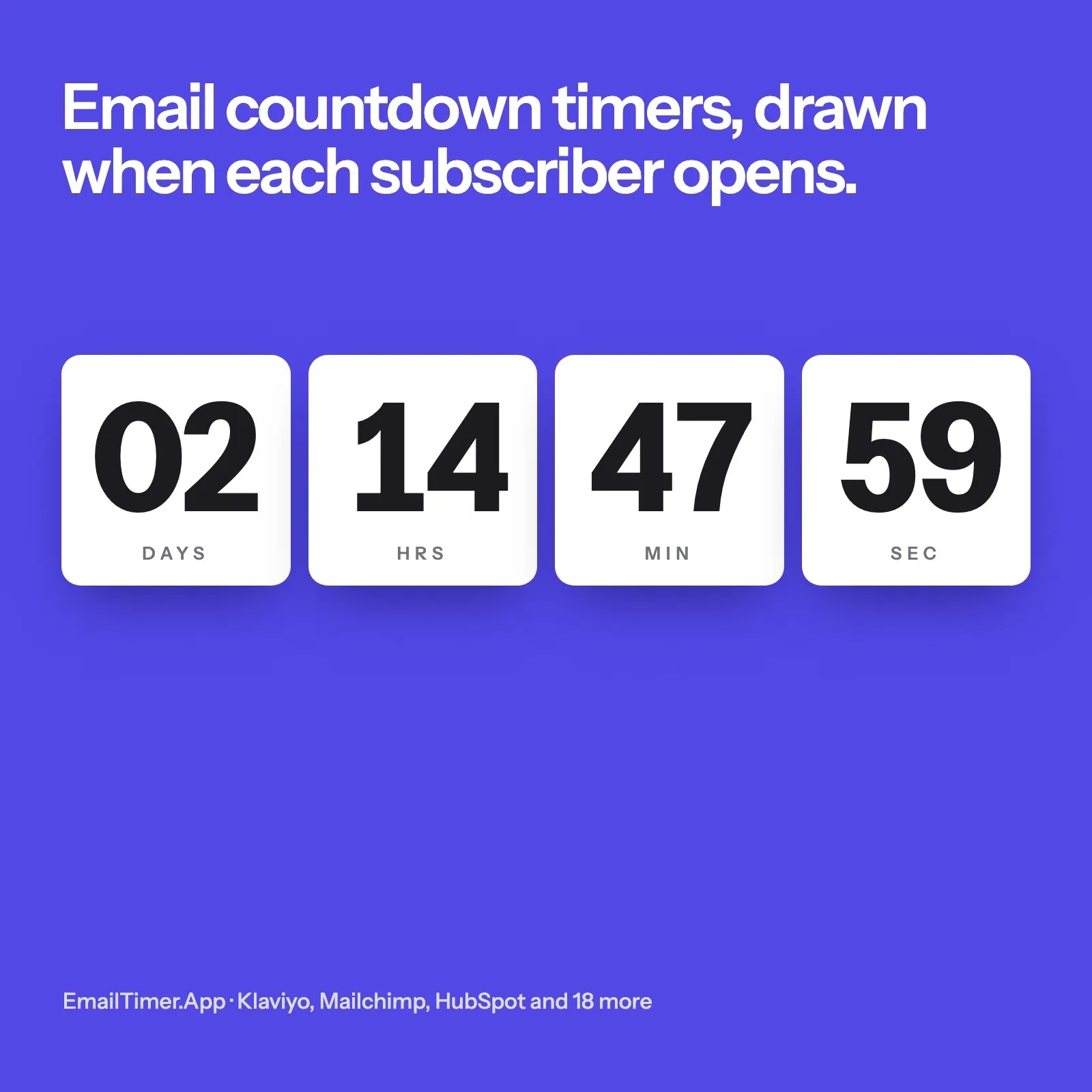
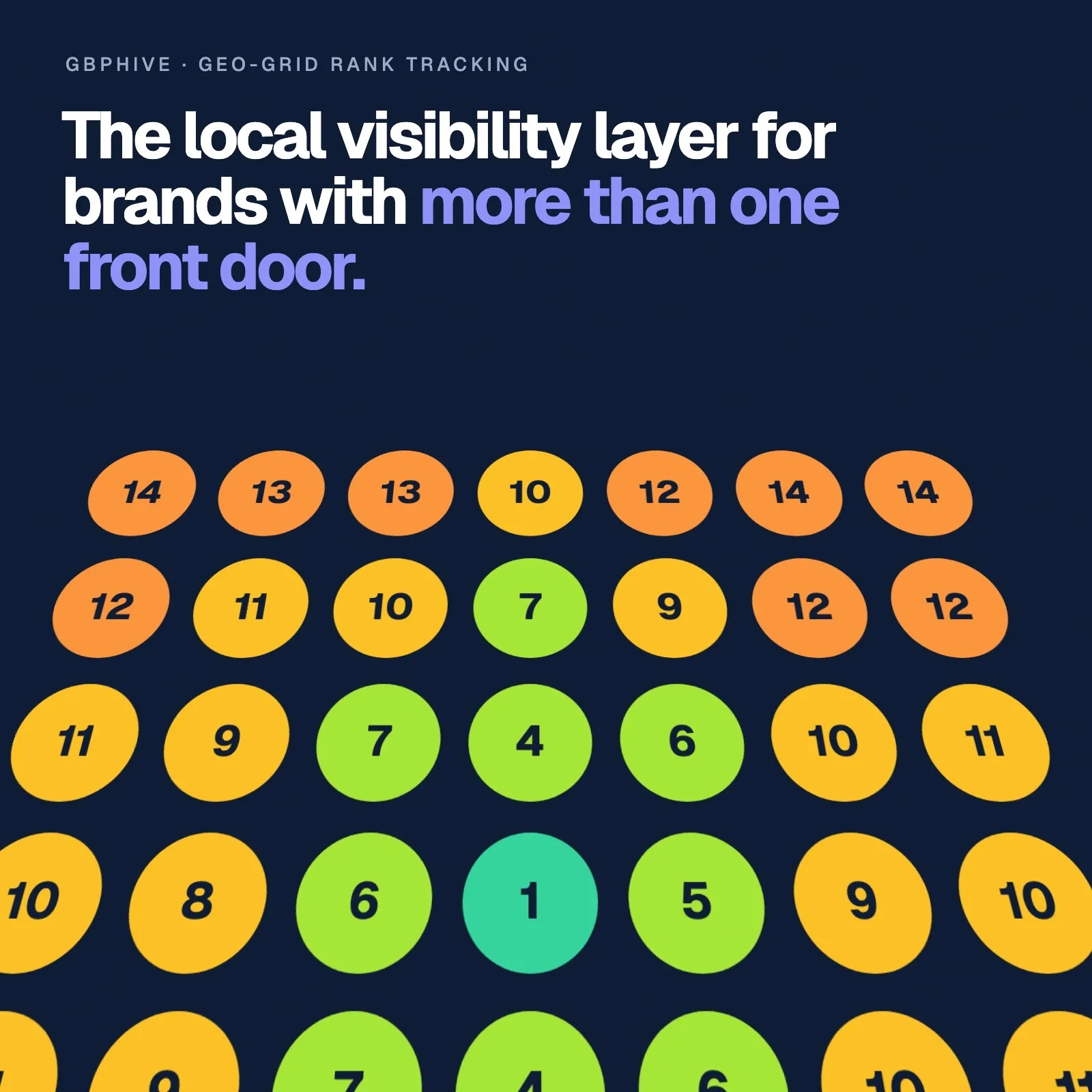
The closest comparisons are our own SaaS products. EmailTimer renders countdown timers and personalised images in marketing emails at the moment they’re opened, with integrations for Klaviyo, Mailchimp, HubSpot and other email platforms. GBPHive gives multi-location brands and agencies daily geo-grid tracking, profile management and one review inbox. We handled product design and development for both, and we run their marketing. We also built GBP Rank Tracker, a free desktop app for Windows and macOS that maps Google rankings on a grid, and a Chrome extension for changing search location. None of these are Australian projects, but they show the range: SaaS, desktop and browser.
How a remote build runs
A typical first release goes discovery, prototype, build in two-week sprints, then testing on real devices and store submission. You see a working build at every demo, scheduled in your afternoon, and you test on your own phone through TestFlight or an internal Android track. Because our day runs while Melbourne’s office hours are ending, fixes you report in the afternoon are often waiting the next morning.
Related services
Most apps need customer data flowing somewhere useful, which is where a CRM build for Melbourne businesses comes in. Our app development service explains the full process, the Chicago app development page shows how we work with US clients, and the Melbourne page covers everything else we do here.
Selected work



How we work
- 01
Discovery
Short working sessions to pin down users, the one workflow that matters most, the data involved and what can wait. You get a written scope at the end.
- 02
Clickable prototype
The key screens designed and linked so you can put them in front of real users before production code exists.
- 03
Build in short cycles
Working software on a test environment every two weeks, reviewed with you, so changes happen while they're still cheap.
- 04
Beta with real users
A small group uses the app on real work. We fix what they trip over and measure whether the core workflow gets done.
- 05
Launch and support
Store submissions or go-live, monitoring, and an agreed support arrangement for fixes, updates and the next features.
Questions
Do you work with Melbourne startups?
Yes, though we're not part of the Cremorne scene and won't pretend otherwise. What we bring is product experience: we designed, built and market our own SaaS products, EmailTimer and GBPHive, and built our own desktop app and Chrome extension. We work well with founders who want a small team that ships.
Does our app need to comply with the Privacy Act?
It depends on your business. Organisations over the turnover threshold are covered, and so are health service providers and businesses that trade in personal information, whatever their size. Either way, Apple and Google both require a privacy policy and data disclosures, so we design for the APPs regardless.
Should we build a native app or React Native?
React Native suits most business apps: one codebase, lower maintenance and near-native performance. Fully native makes sense for heavy graphics, complex offline work or deep hardware features. We'll recommend one after the discovery workshop.
Can the app connect to Xero or MYOB?
Yes. Both offer APIs for invoices, contacts and payments. A common Melbourne set-up is a booking or job app that creates invoices in Xero automatically when a job is marked done, so nobody re-keys it.
How do we run a build across the time difference?
Weekly demos in your afternoon, a shared board you can check any time, and test builds on your phone. Questions you leave at the end of your day are usually answered by the time you start the next one.
What does app development cost in Melbourne?
It depends on the platforms, the number of screens and user roles, integrations, and whether you need an admin dashboard. We scope after a discovery call and send a scoped proposal for the first release.