Chicago, United States App Development
App Development Company in Chicago
We design and build web apps, customer portals, internal tools and React Native mobile apps for Chicago companies whose spreadsheets and off-the-shelf software have run out of road. We also build and run SaaS products of our own, so we know what software needs long after launch day. We work with Chicago teams remotely from Dubai.
Talk to us about ChicagoWhat's included
Discovery and product design
Video workshops with the people who'll use the tool, from dispatchers to yard staff, before a single screen is designed.
Web apps and portals
Customer portals, quote builders, dashboards and internal tools that replace the spreadsheet everyone in the office is afraid to touch.
React Native mobile apps
One codebase for iOS and Android, for drivers, field crews and customers, built to cope with weak signal inside a warehouse or out on a rail yard.
Integrations
Payments through Stripe, your CRM, mapping and the systems you already run, connected through their APIs so nobody re-keys data by hand.
Biometric privacy by design
Logins, time clocks and identity checks planned around Illinois's Biometric Information Privacy Act, with written consent flows wherever biometrics are truly needed.
Launch and support
App store submission, error monitoring and a support plan, so the app keeps working through every iOS and Android update.
App Development in Chicago
When does a Chicago business need custom software?
When the work has outgrown the tools. A freight broker re-keying loads between three systems, a contractor building quotes in a spreadsheet, a manufacturer emailing PDFs to tell customers where their order is: each is paying staff to do what software should. Custom software earns its keep when that cost is ongoing and nothing off the shelf fits.
Chicago produces a lot of that kind of work. Six of the seven Class I railroads meet in the region, the warehouse belt around Joliet and Elwood keeps growing, and Elk Grove Village packs hundreds of manufacturers next to O’Hare. Those businesses run on schedules, inventory and handoffs, and the gaps between their systems are where errors creep in.
What running our own SaaS products taught us
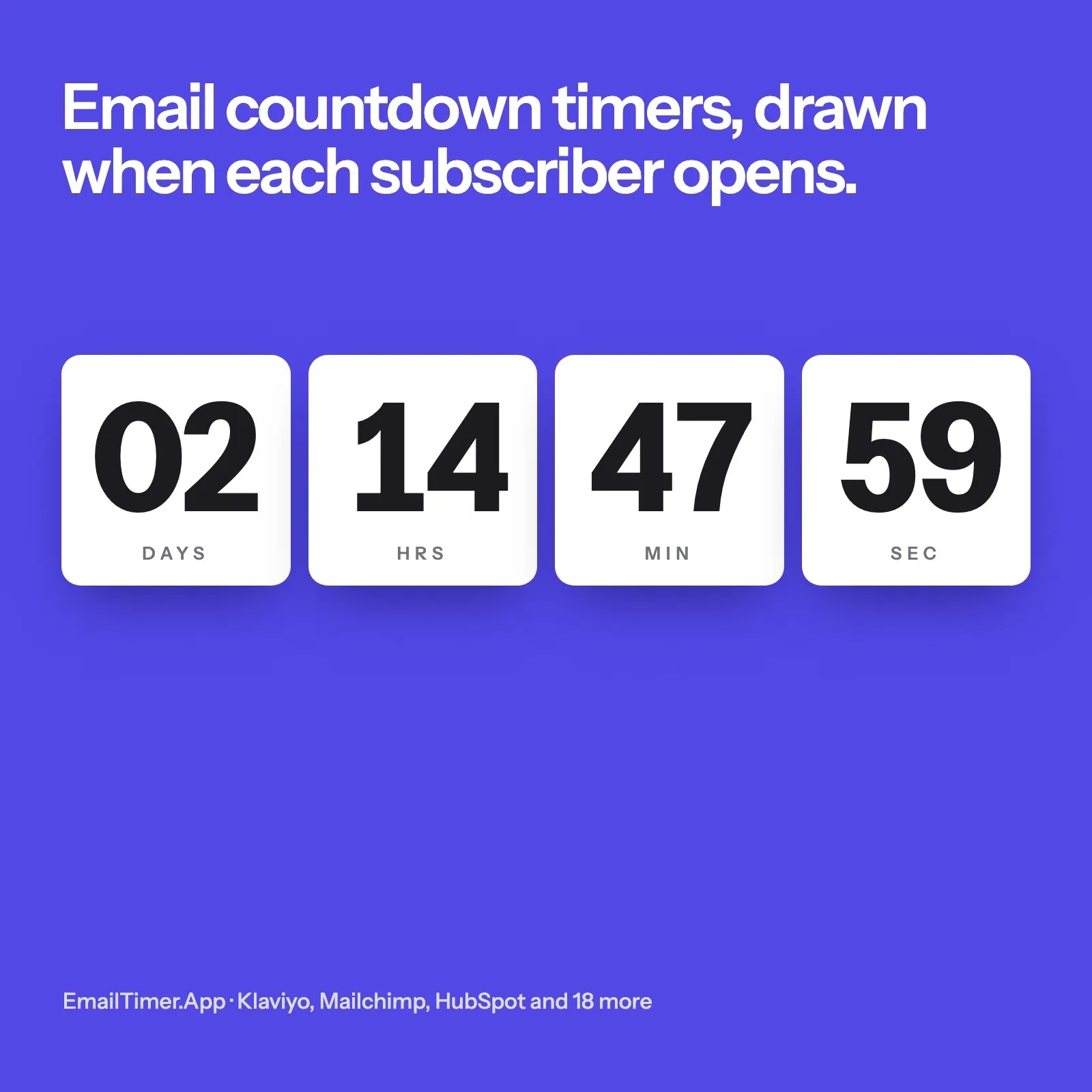
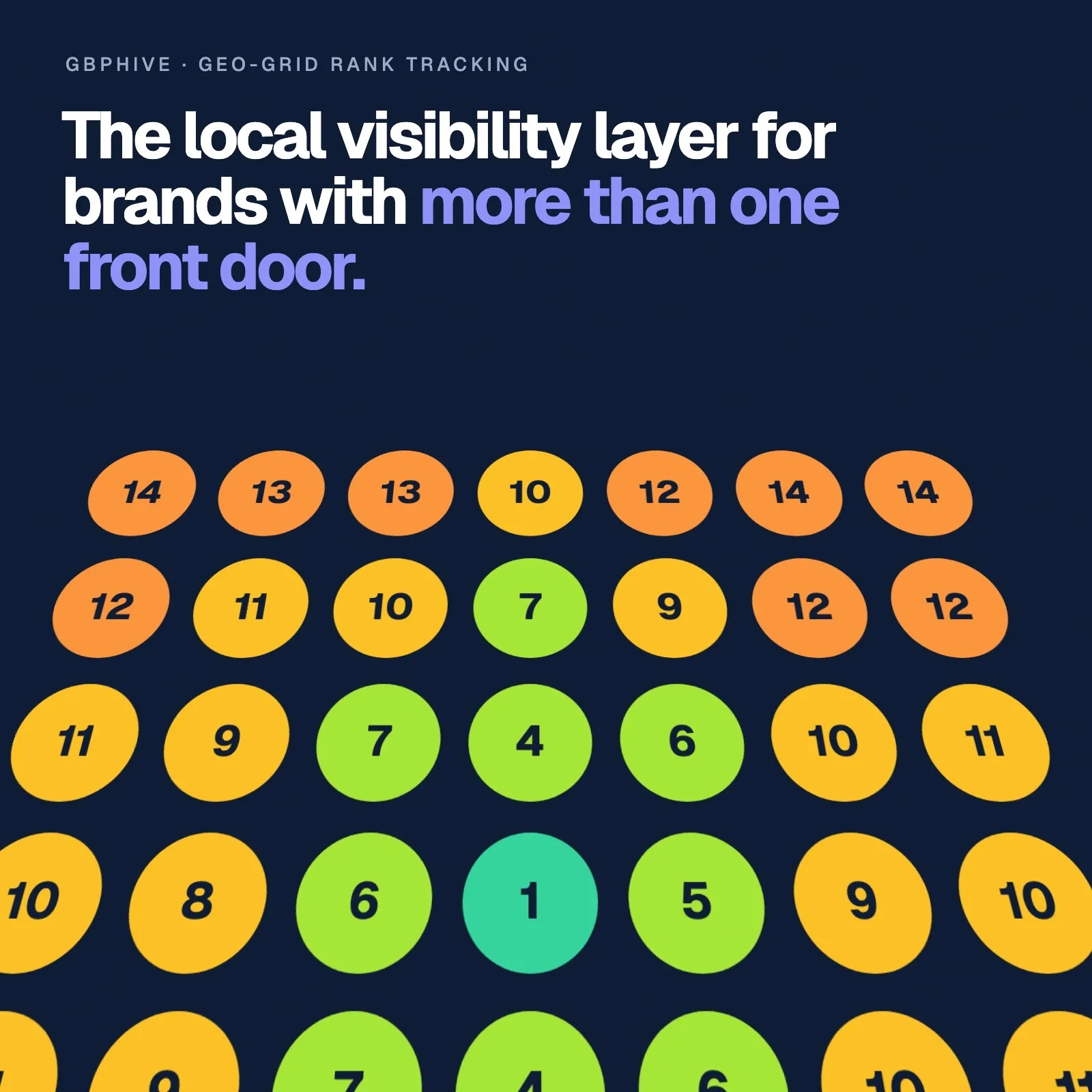
We don’t only build software for clients. EmailTimer draws countdown timers and personalised images inside marketing emails at the moment each one is opened, and GBPHive tracks map rankings, reviews and Google data for businesses with many locations. We designed and built both, and we market them ourselves, so when a release goes wrong we’re the first to hear about it.
Living with our own products changed how we build for clients:
- Every integration is a commitment. EmailTimer has to work inside Klaviyo, Mailchimp, HubSpot and 18 more email platforms. Your TMS, ERP or CRM connection deserves the same care, because that’s where data quietly goes missing.
- Speed is part of the product. A timer drawn too late is a blank box in someone’s inbox. A dispatch board that lags is a missed load.
- The office view is a different product. GBPHive’s job is to turn a lot of data into a short list of what needs attention. Managers need that kind of dashboard, not a stretched copy of the field app.
- Launch is where feedback starts. We plan the second release before the first one goes out, because real users always find what the spec missed.
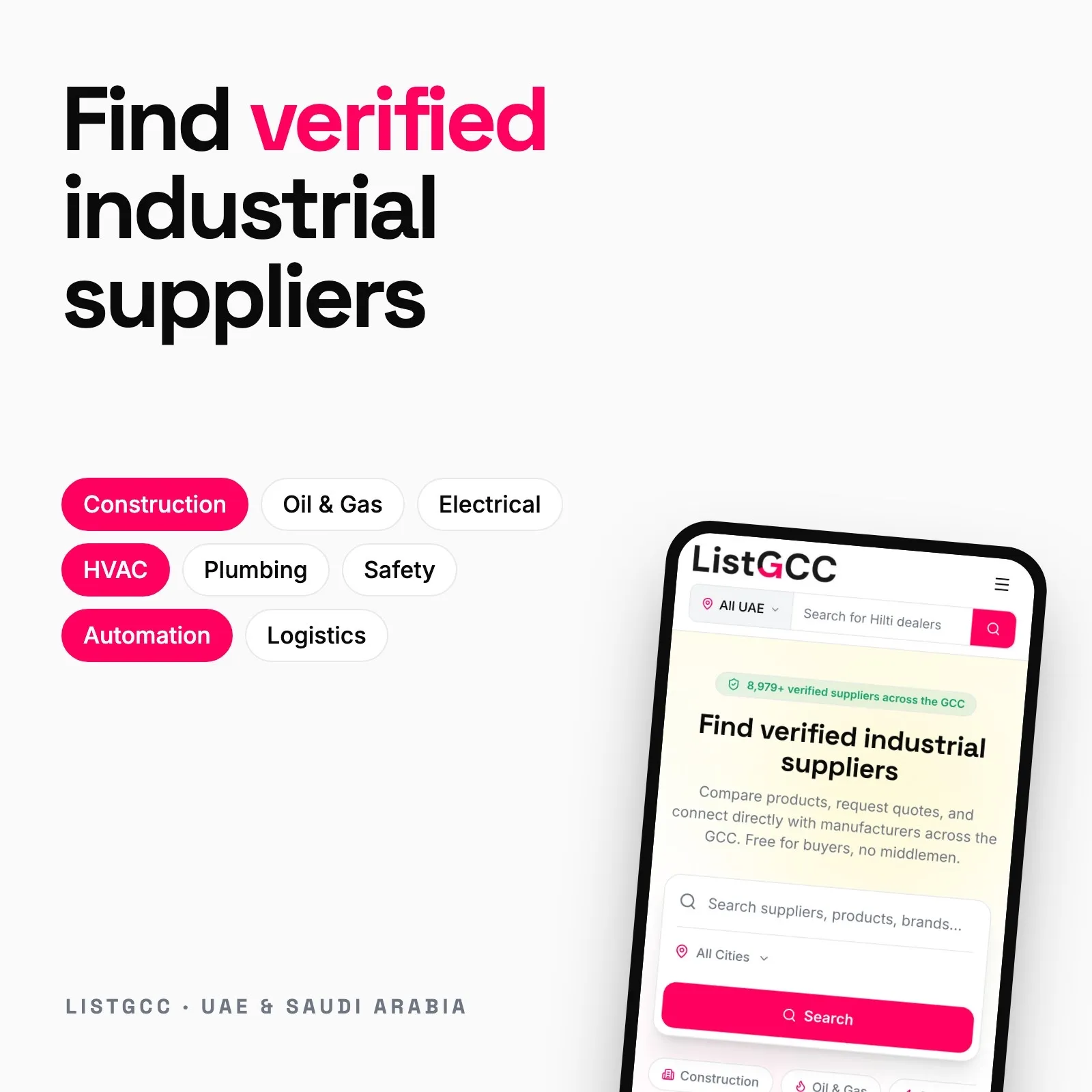
Chicago’s auto recycling trade is close to home for us, too. We built the site for junkcars.cash, a Chicagoland junk car buyer and run its local SEO and lead generation. We also built the site for Cash for Junk Cars Chicago and run its SEO.
Illinois biometric privacy: design it in early
Illinois is unusual. Its Biometric Information Privacy Act lets individuals sue a company that collects fingerprints, face scans, voiceprints or similar identifiers without written notice and a written release. The 2024 amendment limited damages to one recovery per person rather than per scan and confirmed that electronic signatures count as consent, but the private right to sue remains.
That matters for features that sound harmless in a planning meeting: a fingerprint time clock for warehouse staff, a selfie check for drivers, voice analysis on recorded calls. Our default is to avoid collecting biometrics unless the feature really needs them, to use the phone’s built-in Face ID or fingerprint login where that does the job, and where biometrics are essential, to build the notice, consent and retention schedule into the app from the start. Your lawyer signs off on the wording.
Web app, mobile app or both?
Most Chicago operations need two views of the same data. Dispatchers, account managers and customers work in a browser. Drivers, technicians and yard staff work on a phone. We build the web side with modern frameworks and the mobile side in React Native, both talking to one backend, so a change in the office shows up in the truck a moment later.
Related services in Chicago
Most apps need a home for their leads and customers, so they pair with CRM implementation in Chicago. If the public website needs work too, see Chicago web design. Our wider approach is on the app development services page, and our Chicago digital agency page covers the city as a whole.
Selected work



How we work
- 01
Discovery
Short working sessions to pin down users, the one workflow that matters most, the data involved and what can wait. You get a written scope at the end.
- 02
Clickable prototype
The key screens designed and linked so you can put them in front of real users before production code exists.
- 03
Build in short cycles
Working software on a test environment every two weeks, reviewed with you, so changes happen while they're still cheap.
- 04
Beta with real users
A small group uses the app on real work. We fix what they trip over and measure whether the core workflow gets done.
- 05
Launch and support
Store submissions or go-live, monitoring, and an agreed support arrangement for fixes, updates and the next features.
Questions
Does Illinois's biometric privacy law apply to my app?
If your company collects fingerprints, face geometry, voiceprints or similar identifiers from people in Illinois, very likely. BIPA requires written notice and a written release first, and since the 2024 amendment an electronic signature counts. A phone's own Face ID, where your app never receives the data, is a different case. Confirm yours with a lawyer.
Can you build software for a Chicago logistics or transport company?
Yes, it's a natural fit. Dispatch boards, driver apps, shipment tracking portals and yard tools are the kind of software we build. Our own GBPHive platform already does the office half of that job for another trade: data from many locations, refreshed daily, on one screen a manager can act on.
Should we build a web app or a mobile app?
Start with who uses it and where. Office staff and customers on laptops are well served by a web app. Drivers and crews who need the camera, GPS or offline mode need a mobile app. Plenty of projects end up with a web dashboard plus a React Native app.
How do you manage a build from Dubai for a Chicago team?
In short cycles, each ending with a working demo on a call in your morning. Between calls you can try the latest build yourself, and questions go on a shared board so nothing waits for the next meeting.
How long does it take to build an app?
A focused first version of a web app or portal usually takes a few months; a mobile app with several integrations takes longer. We'd rather ship a small version your team uses than spend a year on features nobody asked for.
How much does app development cost in Chicago?
It depends on the number of user types, screens, integrations and platforms. We scope after a discovery call and a short written brief, so the estimate is tied to features you've agreed on.