Kuwait City, Kuwait App Development
Mobile App Development Company in Kuwait City, Kuwait
We design and build mobile apps, web apps and customer portals for Kuwait businesses, from ordering and booking apps to dashboards for internal teams. Every build plans for KNET payments, Arabic and English interfaces, and the consent and deletion features CITRA's privacy regulation expects. Our team works from Dubai and runs Kuwait app projects remotely.
Talk to us about Kuwait CityWhat's included
Discovery before code
A short workshop to pin down the one workflow the first release must handle, who uses it and what it replaces, whether that's a WhatsApp ordering habit or a spreadsheet.
React Native apps for iOS and Android
One codebase for both stores, with a proper right-to-left Arabic interface and App Store and Google Play listings written in both languages.
KNET, cards and wallets
In-app payments through a gateway that supports KNET, plus cards and Apple Pay, with the redirect to KNET's payment page handled cleanly inside the app.
Privacy built into the product
Consent at signup, an in-app way to withdraw it and delete the account, and logging that would let you meet CITRA's 24-hour breach reporting rule.
Portals, dashboards and integrations
Web portals for customers, vendors or staff, connected to your CRM, ERP, delivery partners or WhatsApp through their APIs.
Launch and support
Store submissions, crash monitoring, analytics, and a support plan for OS updates and new features after launch.
App Development in Kuwait City
When does a Kuwait business actually need an app?
When customers come back often enough to keep it on their phone, or when staff need a tool that a website or spreadsheet can’t handle. A salon with weekly regulars, a laundry with pickup and delivery, a distributor taking repeat orders from cafés: those justify an app. A business people buy from once a year usually doesn’t.
We say that early because a lot of app ideas are really a fast mobile website with a good checkout. If that’s your case, our website builds for Kuwait will get you there sooner. If the use is frequent, logged-in and personal, an app earns its place on the home screen.
Ordering apps in the country that started Talabat
Talabat was founded in Kuwait in 2004, and delivery apps have shaped how Kuwaitis expect to order food ever since. That sets a high bar: your own app has to feel as quick as the platforms people already use, or they won’t switch.
The case for building one anyway is ownership. On a delivery platform, the customer relationship sits with the platform. On your own app, you know who orders, how often and what they like, and you can reward them directly. We usually advise restaurants to keep both: platforms for reach, an own app for regulars. If you run restaurants or cafés, our notes on digital marketing for restaurants go further.
Payments inside an app: KNET, cards and Apple Pay
For Kuwaiti customers, KNET belongs at checkout. Inside an app, offering it means a short trip to KNET’s payment page in an in-app browser and a clean return to your order confirmation. Handled badly, it’s the moment people abandon the order or pay twice.
We build the full payment loop with a gateway that supports KNET, then test it on real devices with successful, failed, cancelled and timed-out payments. Cards and Apple Pay sit alongside it. Saved cards, refunds and partial payments get the same treatment, because those are where support calls come from.
Consent, deletion and the 24-hour breach rule
CITRA’s Data Privacy Protection Regulation (Decision No. 26 of 2024) covers anyone operating a smart application that collects or processes personal data. For an app, that turns into concrete features:
- Consent at signup, with the purpose of each data point explained in plain Arabic and English.
- A withdraw-and-delete option inside the app, not hidden in an email address.
- Logging and alerts good enough to spot a breach and report it to CITRA and affected users within 24 hours.
It’s much cheaper to design these in than to retrofit them after a store review or a complaint.
How we’d scope an app with you
We start with one workflow. For a Kuwait car service centre, that might be booking a slot, getting a WhatsApp reminder and paying by KNET on pickup. We design that flow, test it with a handful of real customers, ship it, and only then add loyalty, service history or a staff dashboard.
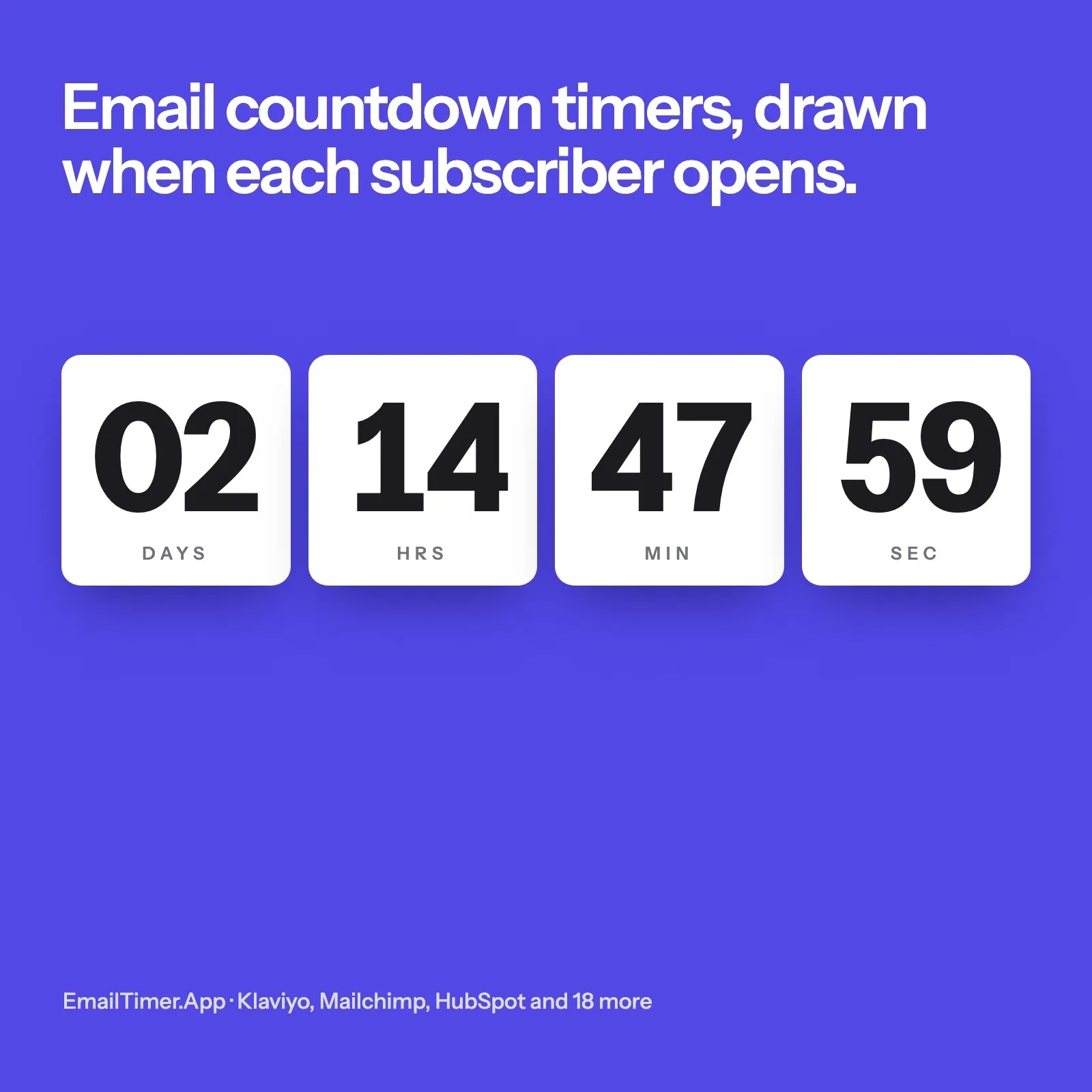
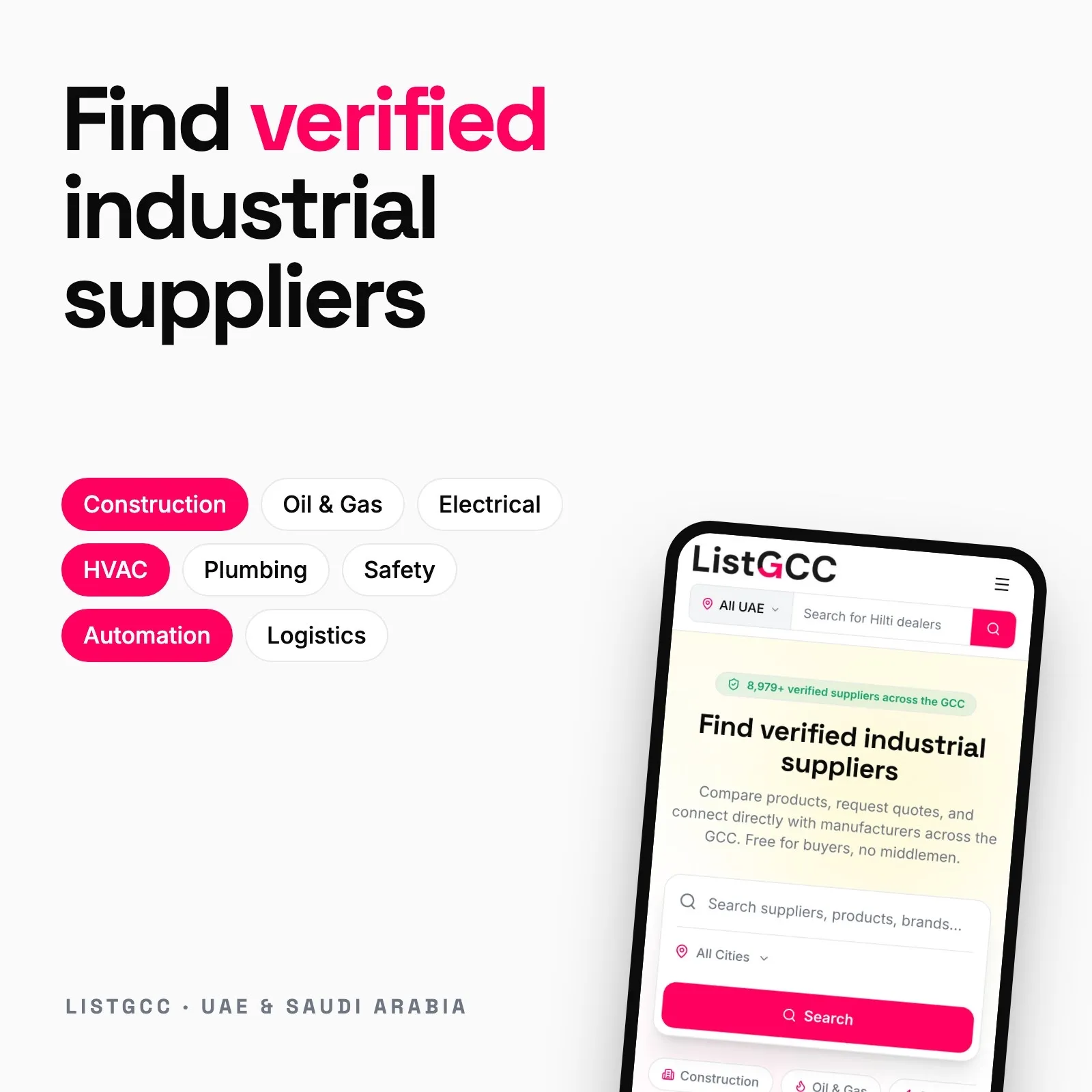
For products we designed and built end to end, see ListGCC, our B2B platform where trade buyers compare suppliers and request quotes, and EmailTimer, our SaaS for live countdowns in marketing emails. We run both ourselves, so support and updates after launch are familiar territory.
How apps connect to the rest of your business
An app is only as good as what it connects to. Orders should reach your kitchen or warehouse, customer records should land in your CRM, and marketing should know who bought what. See how we approach CRM integration for Kuwait teams, read about our app and web app development service, or go back to our Kuwait City marketing overview. Building for Saudi Arabia as well? Compare our app projects for Riyadh companies.
Selected work



How we work
- 01
Discovery
Short working sessions to pin down users, the one workflow that matters most, the data involved and what can wait. You get a written scope at the end.
- 02
Clickable prototype
The key screens designed and linked so you can put them in front of real users before production code exists.
- 03
Build in short cycles
Working software on a test environment every two weeks, reviewed with you, so changes happen while they're still cheap.
- 04
Beta with real users
A small group uses the app on real work. We fix what they trip over and measure whether the core workflow gets done.
- 05
Launch and support
Store submissions or go-live, monitoring, and an agreed support arrangement for fixes, updates and the next features.
Questions
Can a Kuwait app take KNET payments?
Yes, through a payment gateway that supports KNET. The customer is redirected to a KNET payment page to enter card details, which in an app means an in-app browser or web view and a clean return to your order screen. KNET payments are in Kuwaiti dinars.
Should our restaurant build its own app or stay on delivery platforms?
Most restaurants should stay on the platforms for reach. An own app makes sense once you have regulars who order often, because it gives you their contact details, a loyalty programme and direct orders. Start with a fast ordering website and add an app if the numbers justify it.
What does CITRA's privacy regulation mean for our app?
If your app collects personal data, CITRA's Data Privacy Protection Regulation expects clear consent, plain-language terms in Arabic and English, a way to withdraw consent with data deletion, and breach reporting within 24 hours. We build those features in; your lawyer reviews the wording.
Do you build apps in Arabic?
Yes. We design the Arabic interface as a right-to-left layout from the start, test it on real devices, and localize store listings and push notifications. Users can switch language without reinstalling.
Native or React Native?
For most Kuwait business apps, React Native gives you iOS and Android from one codebase at a lower maintenance cost. We'd suggest fully native code only when the app relies heavily on device hardware or demanding graphics.
How much does app development cost in Kuwait?
It depends on the number of user types, screens, integrations and platforms, and whether you need an admin dashboard. We scope after a discovery call and usually recommend a smaller first release you can test with real users.