App Development Company in Muscat, Oman
We design and build web apps, customer portals and mobile apps for businesses in Muscat and across Oman. Typical projects replace spreadsheets and WhatsApp groups with booking systems, delivery trackers and internal tools in Arabic and English. We work from Dubai and run Omani app projects remotely, with a demo you can click through every couple of weeks.
Talk to us about MuscatWhat's included
Discovery before any code
We map the process the app replaces, who uses it, what data it touches and what has to connect to it, then agree a first version small enough to launch quickly.
Web apps and portals
Customer, supplier and dealer portals, booking systems and dashboards that run in the browser, so staff and clients across Oman use them without installing anything.
React Native mobile apps
One codebase for iOS and Android, with Arabic right-to-left screens built in from the start rather than patched in before launch.
Payments and integrations
Local gateways such as Thawani or your bank's card gateway, plus connections to accounting software, CRMs and the spreadsheets you can't retire yet.
Data handled with Oman's PDPL in mind
Role-based access, consent where the app collects personal data, and a written note of where data is stored, so your legal adviser can sign it off.
Support after launch
Bug fixes, app store updates and small improvements on a care plan, so the app keeps working when iOS or Android change underneath it.
App Development in Muscat
Which apps make sense for an Omani business?
The useful ones remove a daily headache. For most Omani firms that means a booking system, a customer or supplier portal, a field app for drivers or technicians, or a dashboard. A consumer app competing for space on someone’s phone is the exception, and usually only worth it when customers will open it every week.
A few examples of what that looks like here:
- A tour operator in Muscat taking bookings through WhatsApp and a notebook, who needs availability, deposits and automatic confirmations in English and Arabic.
- A logistics firm moving goods between Sohar Port and warehouses near the capital, whose drivers need proof-of-delivery photos and signatures that sync to the office.
- A contractor with sites across Al Batinah that wants daily site reports with photos instead of a dozen WhatsApp groups.
- A private school in Madinat Al Sultan Qaboos that wants a parent portal for fees, timetables and messages.
Building for Arabic-first users
If your users are Omani staff or customers, the Arabic interface is the main interface. We design right-to-left layouts from the first wireframe, test with real Arabic content rather than placeholder text, and handle the details that trip up imported templates: mirrored icons, mixed Arabic and English inside one field, number formats, and date pickers that make sense during Ramadan scheduling.
Payments, data and the rules around them
Payments come up early. Thawani, licensed by the Central Bank of Oman, and bank card gateways are the usual options for consumer-facing apps, and the provider affects the checkout design, so we decide before the build starts.
Data comes up next. Oman’s Personal Data Protection Law, in force since February 2023, governs how personal data is collected and processed. We build role-based access, log who changed what, add consent screens where the app collects personal details, and give you a short document showing where data lives. If the app sends marketing messages, it needs written approval from each user first.
How we run an app project from Dubai
Oman and the UAE share a time zone, which makes remote work straightforward. We work in two-week sprints, each ending with a demo build you can install on your own phone or open in the browser. You see progress early, you correct course early, and nothing big lands as a surprise at the end.
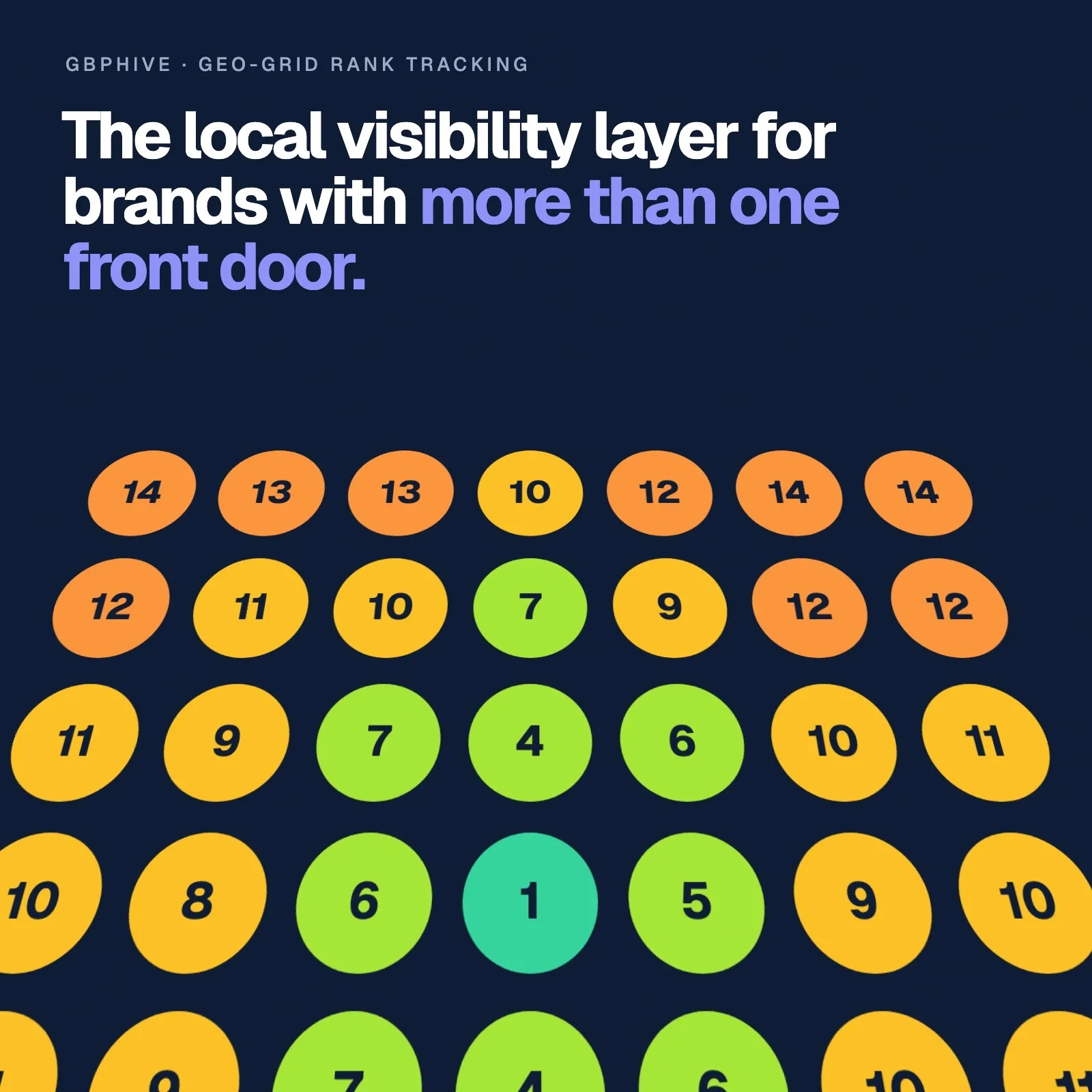
We’ve done this before at product scale, on our own software: we designed and built GBPHive, a platform that pulls Google Business Profile, Search Console and GA4 data onto one screen, the same kind of dashboard many Omani firms need for their own tools. We’ve also built our own desktop app and Chrome extension, both free to download from this site.
Where apps meet the rest of your stack
An app often sits beside a CRM, a website and an ads account. If your leads also need organising, see our CRM setup for Omani businesses. If the customer-facing site needs work first, look at website development in Muscat. Our wider approach is on the web and mobile app development page, and the rest of what we do in Oman is on the Muscat services hub.
Selected work




How we work
- 01
Discovery
Short working sessions to pin down users, the one workflow that matters most, the data involved and what can wait. You get a written scope at the end.
- 02
Clickable prototype
The key screens designed and linked so you can put them in front of real users before production code exists.
- 03
Build in short cycles
Working software on a test environment every two weeks, reviewed with you, so changes happen while they're still cheap.
- 04
Beta with real users
A small group uses the app on real work. We fix what they trip over and measure whether the core workflow gets done.
- 05
Launch and support
Store submissions or go-live, monitoring, and an agreed support arrangement for fixes, updates and the next features.
Questions
What kind of apps do Omani businesses usually need?
Rarely a consumer app for the App Store. More often it's a booking system, a portal for customers or suppliers, a field app for drivers or technicians, or a dashboard that pulls data from tools you already use. Those pay back quickly because they remove manual work.
Should we build a mobile app or a web app?
Start with a web app if your users sit at desks or use it occasionally. Build a mobile app when people need it in the field, offline, with the camera or with push notifications. Plenty of Omani projects start as a web app and add a mobile version later.
Can the app accept payments in Oman?
Yes. We integrate local providers such as Thawani, which is licensed by the Central Bank of Oman, or a card gateway from your bank. We check what each provider supports before the build, because that shapes the checkout design.
Where will our app's data be stored, and does Oman's data law care?
It can care. Oman's Personal Data Protection Law sets rules for how personal data is processed and protected, so we document where the app hosts data and who can access it. Your legal adviser should confirm whether your setup needs anything further.
Can you build for a company in the Duqm or Sohar zones?
Yes. Logistics, port services and manufacturing firms there often need shipment tracking, yard or warehouse tools and portals for overseas customers. We build those remotely like any other project.
How much does app development cost in Oman?
It depends on the number of user types, screens, integrations and whether you need mobile, web or both. We scope after a discovery call and usually recommend a smaller first release you can test with real users.